EN

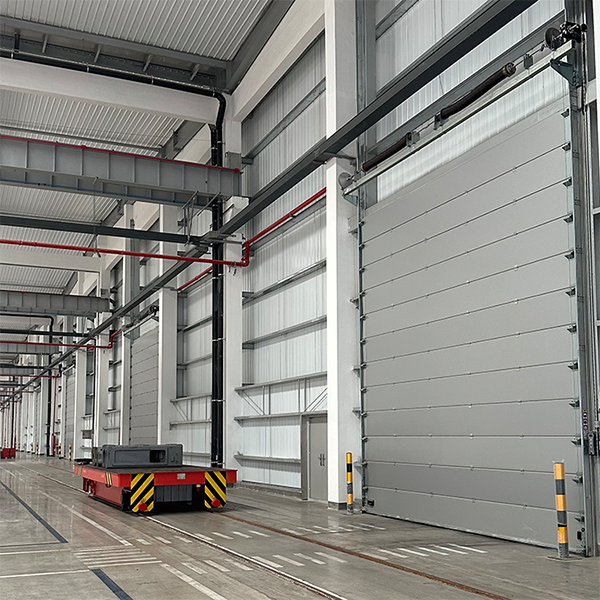
Sectional dock doors are crucial components in the logistics and warehousing sectors, facilitating the efficient loading and unloading of goods. These doors are designed to optimize workflow, reduce downtime, and enhance safety during operations. Understanding why sectional dock doors support faster loading and unloading is essential for purchasing managers and facility operators looking to improve their operational efficiency. This article will examine the key specifications, sourcing tips, installation guidance, quality evaluation, and common issues related to sectional dock doors, providing actionable insights for informed decision-making.
Key Specifications to Consider for Sectional Dock Doors
When selecting sectional dock doors, several specifications must be considered to ensure they meet operational demands.
Material: Door panel options include color-coated steel, aluminum alloy, and stainless steel. Select the material and finish for the loading area's exposure conditions. Where temperature control matters, assess the insulation and seals of the complete door configuration.
Dimensions: The size of the dock door should accommodate the largest vehicles that will be using it. Standard sizes may not be sufficient for all applications; custom dimensions may be necessary to ensure compatibility with your loading equipment.
Operating Mechanism: Electric operation lets staff control the door without manually lifting the panels. Coordinating door operation with vehicle positioning, dock equipment, and the loading sequence can reduce interruptions and help loading and unloading proceed efficiently. Confirm the control arrangement and operating sequence for the loading bay.
Sealing Options: Effective sealing is vital to prevent air and moisture infiltration. Look for doors that offer robust sealing solutions to maintain your facility’s climate and protect goods during loading and unloading.
Safety Features: Look for features such as safety sensors and emergency stop mechanisms to ensure safe operation, which is particularly important in busy loading areas.
By carefully evaluating these specifications, buyers can ensure that the sectional dock doors selected will enhance operations while meeting safety and efficiency standards.
Wholesale Sourcing Tips for Sectional Dock Doors
Sourcing sectional dock doors wholesale requires strategic considerations to ensure you receive quality products at competitive prices. Here are some tips:
Identify Reputable Suppliers: Look for manufacturers with a proven track record, extensive product offerings, and certifications, such as those adhering to European standards. Seppes Door Industry, for instance, is a trusted supplier with numerous patents and a strong export footprint.
Request Samples: Before finalizing your order, request samples to evaluate quality firsthand. This also allows you to inspect the material, finish, and operational functionality.
Understand Minimum Order Quantities (MOQ): Different suppliers may have varying MOQs. Ensure that your order size aligns with supplier requirements to avoid unnecessary costs.
Pricing Transparency: When requesting quotes, ask for a breakdown of costs, including shipping, installation, and potential customization fees. This clarity helps in making more informed purchasing decisions.
Customization Options: Verify whether the supplier can accommodate specific requirements, such as size or color variations, to ensure the doors fit seamlessly with your facility's design and functional needs.
By following these sourcing tips, buyers can navigate the procurement process more effectively, ensuring they secure the best products for their operations.
Installation Guidance for Sectional Dock Doors in Your Facility
Proper installation of sectional dock doors is critical for ensuring optimal performance and safety. Here are some guidance points:
Site Preparation: Before installation, ensure that the area is clear and that the structural integrity of the loading bay can support the new door system. Any necessary adjustments should be made ahead of time.
Professional Installation: While some companies may opt for in-house installation, hiring professionals can prevent common mistakes that lead to operational issues. Experienced installers will ensure that the doors are aligned correctly and function smoothly.
Testing the Mechanism: Once installed, conduct thorough testing of the door's operating mechanism. Check for proper opening and closing operations, and inspect the sealing to ensure it meets specifications.
Regular Maintenance Schedule: After installation, establish a regular maintenance schedule to inspect and service the doors. This proactive approach can prevent breakdowns and extend the lifespan of the equipment.
By adhering to these installation guidelines, facilities can maximize the benefits of sectional dock doors and ensure they operate efficiently.
Evaluating the Quality of Sectional Dock Doors for Your Needs
Assessing the quality of sectional dock doors involves several critical factors that buyers should consider:
Material Quality: Assess panel strength, protective finishes, and the durability of hinges, rollers, and other hardware. Select the material and finish for moisture, weather exposure, and cleaning conditions at the dock. These factors, together with maintenance, influence the door's long-term condition and reliability.
Manufacturing Standards: Confirm that the doors are manufactured in facilities that adhere to stringent quality control processes. This is particularly relevant for suppliers like Seppes Door Industry, which upholds European manufacturing standards.
Performance Testing: Inquire about the performance tests conducted on the doors. These tests should assess resistance to environmental factors, load bearing, and operational reliability.
Warranty and Support: A solid warranty can indicate a manufacturer’s confidence in its product. Ensure that post-installation support and service options are available to address any issues that may arise.
Customer Feedback: Research reviews and case studies from other buyers to gauge the performance of the doors in real-world applications. This feedback can provide insight into longevity and functionality.
By focusing on these quality evaluation aspects, buyers can make informed decisions that align with their operational needs.
Common Problems with Sectional Dock Doors and Effective Solutions
While sectional dock doors are designed for efficiency, they can encounter specific issues over time. Here are some common problems and their solutions:
Misalignment: Over time, dock doors may become misaligned due to wear and tear. Regular inspections and realignment by qualified technicians can resolve this issue and ensure smooth operation.
Seal Damage: The seals can wear out or get damaged, leading to air leaks and energy loss. Regular checks and timely replacement of seals can maintain energy efficiency and protect goods.
Mechanical Failures: Components such as springs or motors may fail, causing operational delays. Implementing a preventive maintenance schedule that includes regular inspections can catch these issues early.
Weather Vulnerability: Extreme weather can affect the performance of dock doors. Ensure that the chosen materials are suited to the operational environment and consider insulation options for temperature-sensitive applications.
Control System Malfunctions: Automatic doors may experience issues with their control systems. Regular software updates and hardware checks can prevent malfunctions and ensure reliable operation.
By proactively addressing these common problems and implementing effective solutions, facilities can maintain operational efficiency and minimize downtime associated with dock door issues.