EN

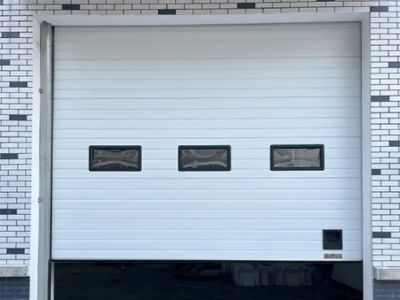
Steel sectional doors are a critical components in many industrial settings, designed to withstand the rigors of daily use while providing security and energy efficiency. Understanding why steel sectional doors are built for long-term industrial use can help purchasing managers, engineers, and logistics professionals make informed decisions. This article will explore the durability, specifications, cost factors, installation challenges, and applications of steel sectional doors, ensuring that you have the necessary insights to choose the right solutions for your operation.
Understanding the Long-Term Durability of Steel Sectional Doors
Steel sectional doors use steel panels to provide structural strength for everyday industrial access. Suitable panel construction, reinforcement, and locking hardware help protect the closed opening. Protective finishes and regular maintenance help preserve the panels and hardware over time, supporting durable service in the intended environment.
Additionally, steel sectional doors often come with thermal insulation options, which enhance energy efficiency. This insulation not only helps maintain optimal temperatures within facilities but also reduces energy costs over time. A well-maintained steel sectional door can last 15 to 30 years, depending on usage and environmental conditions, making it a cost-effective investment for industrial applications.
Key Specifications for Choosing Steel Sectional Doors in Bulk
When selecting steel sectional doors in bulk, several specifications should be considered to ensure they meet your operational needs. Key specifications include:
Thickness: The gauge of the steel impacts the door's strength and insulation properties. A thicker gauge offers better durability and security, typically ranging from 24 to 16 gauge for industrial applications.
Dimensions: Custom sizing may be necessary to fit specific openings. Standard widths range from 8 to 20 feet, while heights can vary based on the application.
Insulation Value (R-Value): This measures the door’s energy efficiency. A higher R-value indicates better thermal insulation, which is crucial for energy savings in climate-controlled environments.
Finish and Coating: Steel sectional doors often come with protective coatings that enhance corrosion resistance and reduce maintenance needs. Common finishes include powder coating and galvanized options.
Operating Mechanism: Electric drive provides convenient control of the door. Match the motor and controls to the door's dimensions and weight, and confirm how they work with the counterbalance system. Review the complete operating configuration against the facility's access needs.
When discussing specifications with your supplier, clarify your needs based on the intended application and environmental conditions.
Cost Factors to Consider When Purchasing Steel Sectional Doors
The overall cost of commercial steel sectional doors is influenced by several factors, which buyers should carefully evaluate before making a purchase:
Material Quality: Higher-quality steel and advanced manufacturing processes can increase costs, but they often lead to greater durability and longer life.
Customization: Custom features such as specific dimensions, colors, or additional insulation can affect pricing. Be prepared to provide detailed specifications to get accurate quotes.
Quantity: Purchasing in bulk often leads to discounts, but be aware of minimum order quantities (MOQ) that manufacturers may enforce.
Installation: Factor in installation costs, which can vary based on door complexity and local labor rates. Some suppliers may offer installation services as part of the purchase.
Shipping and Handling: Consider the logistics of transporting the doors to your facility, including freight charges and potential customs duties for international orders.
Understanding these cost factors can help you budget effectively and select the right supplier for your needs.
Common Installation Challenges with Steel Sectional Doors and Solutions
Installing steel sectional doors can present challenges that, if not addressed, may lead to operational issues. Common installation challenges include:
Alignment Issues: Proper alignment is critical for the smooth operation of sectional doors. Misalignment can cause excessive wear on components and reduce insulation effectiveness. It is essential to ensure that the tracks are installed level and that the door is evenly spaced from the opening.
Weight Handling: Steel sectional doors can be heavy, requiring appropriate lifting equipment during installation. Ensure that your team is equipped with the right tools and safety gear.
Electrical Connections: For automatic doors, electrical connections must be properly wired to avoid malfunctions. Hiring a qualified electrician can help avoid costly mistakes.
Weather Sealing: Ensuring that weather seals are correctly installed is vital for energy efficiency. Inspect seals during installation to confirm they fit snugly against the door frame.
Addressing these challenges during installation can enhance the longevity and performance of your steel sectional doors.
Applications of Steel Sectional Doors in Industrial Environments
Steel sectional doors are versatile and can be employed in various industrial settings, including:
Warehouses: They are commonly used in warehouses for loading and unloading goods, providing easy access for forklifts and delivery trucks.
Manufacturing Facilities: Steel sectional doors can serve as access points for machinery and personnel, often equipped with safety features to protect workers.
Cold Storage: In environments where temperature control is critical, insulated steel sectional doors help maintain internal temperatures while providing durability against heavy usage.
Distribution Centers: Steel sectional doors provide controlled access between loading areas and storage zones. Match the door dimensions, electric controls, and maintenance arrangements to the movement of goods and handling equipment.
Each application may require specific features, such as enhanced insulation or specialized finishes, so it is crucial to consult with your supplier to determine the best options for your needs.
By understanding the long-term durability, key specifications, cost factors, installation challenges, and applications of steel sectional doors, B2B buyers can make informed purchasing decisions that align with their operational requirements.
Table of Contents
- Understanding the Long-Term Durability of Steel Sectional Doors
- Key Specifications for Choosing Steel Sectional Doors in Bulk
- Cost Factors to Consider When Purchasing Steel Sectional Doors
- Common Installation Challenges with Steel Sectional Doors and Solutions
- Applications of Steel Sectional Doors in Industrial Environments