EN

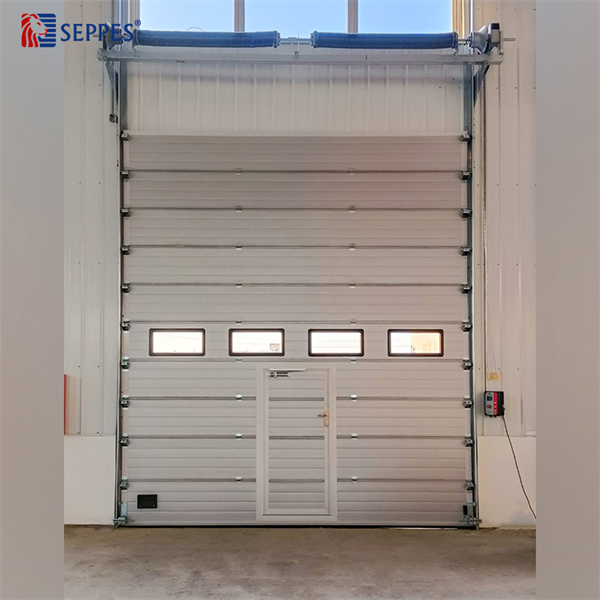
Industrial sectional overhead doors provide controlled access for warehouses, loading areas, and manufacturing facilities. Their reliability depends on selecting a suitable door construction, operating system, and installation layout, then maintaining them in service. This article covers key specifications, material choices, common issues, applications, and bulk ordering considerations to help purchasing managers and facility operators compare options for their buildings.
Key Specifications of Industrial Sectional Overhead Doors Explained
When evaluating industrial sectional overhead doors, several critical specifications must be considered. Key attributes include:
Thickness and Material: The thickness of the door panels typically ranges from 40 mm to 60 mm, impacting insulation and durability. A thicker panel can provide better thermal performance, which is vital in temperature-sensitive environments.
Dimensions: Standard sizes vary, but doors can be customized to fit specific openings. Common dimensions include heights of 3 m to 5 m and widths of 3 m to 7 m. It’s essential to ensure that the door fits the operational space and machinery, as an incorrect size can lead to functional issues.
Sealing Systems: Effective sealing prevents air infiltration and improves energy efficiency. Options like rubber weather stripping or thermal seals can enhance insulation and reduce heating costs.
Operating Mechanism: Electric operation provides convenient control of industrial sectional overhead doors. Match the motor, counterbalance system, and controls to the door's dimensions and weight. Proper installation, commissioning, and maintenance support smooth, reliable operation.
Understanding these specifications helps buyers select a door that fits the facility's opening, environment, and access requirements.
How Material Quality Impacts the Performance of Sectional Doors
Material quality affects the performance and service life of industrial sectional overhead doors. Panel options include color-coated steel, aluminum alloy, and stainless steel. Each material has different considerations for strength, surface protection, weight, and cleaning:
Color-Coated Steel: Steel panels offer strength and durability. Their protective coating helps resist corrosion, and suitable reinforcement and locking hardware support protection of the closed opening. Select the finish for the environment and inspect damaged areas during maintenance.
Aluminum Alloy: Aluminum alloy panels offer low weight and corrosion resistance. They can suit projects where panel weight, moisture exposure, or surface appearance influence material selection. Opening speed depends on the complete door and operating system, rather than panel weight alone.
Stainless Steel: Stainless steel panels offer corrosion resistance and surfaces suitable for regular cleaning. Select the material grade and finish to suit moisture exposure and cleaning agents. Where insulation is required, assess the complete panel construction rather than the facing material alone.
Choosing the right material is crucial; it should align with the operational requirements and environmental conditions of the facility. A mismatch can lead to increased maintenance costs and reduced functionality over time.
Common Problems with Industrial Sectional Overhead Doors and Effective Solutions
Despite their robust design, sectional overhead doors can encounter several common issues:
Misalignment: Frequent use can cause doors to become misaligned, leading to operational difficulties. Regular maintenance checks and the installation of alignment guides can help mitigate this issue.
Wear and Tear: Components such as hinges, rollers, and springs are subject to wear. Implementing a routine inspection and maintenance schedule can prolong the lifespan of these parts.
Sealing Failures: Over time, seals can degrade, leading to air leaks and energy loss. Regularly inspecting seals and replacing them as needed will ensure optimal performance.
By being proactive in addressing these issues, purchasing managers can reduce downtime and maintenance costs, ensuring that operations run smoothly.
Applications of Sectional Overhead Doors in Warehousing and Logistics
Industrial sectional overhead doors serve warehousing and logistics facilities by providing controlled access and a closed barrier between operational areas and the outside environment. Relevant applications include:
Loading Docks: Electric operation allows staff to coordinate door opening and closing with loading activities and dock equipment. Clear access and a planned operating sequence help loading and unloading proceed in an orderly way.
Temperature-Controlled Environments: In facilities that store perishable goods, high-quality sectional doors with effective insulation can help maintain stable temperatures, reducing energy costs.
Security: Sectional doors can be fitted with advanced locking mechanisms and access controls, enhancing security in warehouses and distribution centers.
These applications highlight the versatile nature of sectional overhead doors, making them a preferred choice for many industries.
Understanding Bulk Order Options for Sectional Overhead Doors
When purchasing industrial sectional overhead doors in bulk,bulk ordering can offer significant advantages. Here are key considerations for buyers:
Minimum Order Quantity (MOQ): Buyers should confirm the manufacturer's MOQ, which can vary based on the type and customization of doors. Understanding this will help in planning procurement schedules and budgets.
Customization: Many manufacturers, including Seppes Door Industry (Suzhou) Co., Ltd., offer customization options for bulk orders. This can include specific dimensions, materials, and design features tailored to particular operational needs.
Lead Time: Bulk orders typically have longer lead times due to manufacturing and shipping processes. Buyers should discuss expected delivery times upfront to avoid disruptions in operations.
Pricing Factors: Discounts may be available for bulk orders, but buyers should also consider quality and warranty terms, as the lowest price may not always represent the best overall value.
By understanding these factors, purchasing managers can optimize their procurement strategies and ensure they receive the best solutions for their operational needs.
Table of Contents
- Key Specifications of Industrial Sectional Overhead Doors Explained
- How Material Quality Impacts the Performance of Sectional Doors
- Common Problems with Industrial Sectional Overhead Doors and Effective Solutions
- Applications of Sectional Overhead Doors in Warehousing and Logistics
- Understanding Bulk Order Options for Sectional Overhead Doors