EN

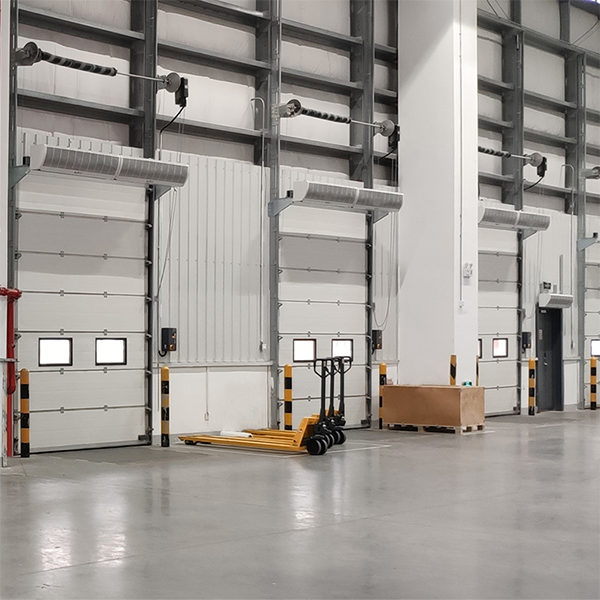
Overhead sectional doors are a popular choice for warehouse operations due to their reliability and efficiency. These doors are designed to optimize space and enhance workflow while ensuring security and durability. As purchasing managers and logistics coordinators explore options for their facilities, understanding what makes overhead sectional doors a reliable choice is crucial. This article will examine the key specifications, cost considerations, installation guidance, and common issues associated with these doors, providing practical insights for informed decision-making.
What Makes Overhead Sectional Doors Ideal for Warehouse Operations?
Overhead sectional doors are engineered for heavy-duty performance, making them an excellent fit for warehouse environments. Their design allows for vertical lifting, which maximizes usable space and is particularly beneficial in facilities with limited room. Unlike traditional swinging doors, sectional doors do not require additional clearance outside their opening, allowing for efficient use of loading bays and pedestrian traffic areas.
Door panels are available in color-coated steel, aluminum alloy, and stainless steel. Color-coated steel offers strength and a protective finish, aluminum alloy reduces panel weight, and stainless steel offers an option where corrosion resistance and surface cleaning matter. Insulated panel constructions can help limit heat transfer through the closed opening. Select the material, finish, and insulation to suit the warehouse environment.
Electric operation provides convenient control of warehouse access. Staff can coordinate door opening and closing with the loading sequence and the movement of goods. Matching the motor and controls to the door assembly supports smooth operation throughout the working day.
Key Specifications to Consider for Overhead Sectional Doors
When evaluating overhead sectional doors, several critical specifications should be considered to ensure they meet operational needs:
Material: Compare color-coated steel, aluminum alloy, and stainless steel against the warehouse environment. Consider strength and coating maintenance for color-coated steel, low weight and corrosion resistance for aluminum alloy, and grade, finish, and cleaning requirements for stainless steel. Assess insulation through the complete panel construction.
Thickness: The thickness of the door panels affects their thermal efficiency and strength. A thicker panel generally provides better insulation and resistance to impact.
Size: Doors must be sized appropriately for the space they will occupy. Custom sizing options may be necessary for specific applications. Accurate measurements are crucial to ensure a proper fit and optimal operation.
Insulation Value (R-value): For operations requiring temperature control, the insulation value is vital. Higher R-values indicate better insulation, helping to maintain consistent internal conditions and reduce energy costs.
Safety Features: Look for doors with safety features such as sensors to prevent closing on pedestrians or vehicles, as well as emergency release mechanisms in case of power failure.
Understanding these specifications allows buyers to select doors that align with their specific operational requirements and budget constraints.
Cost Factors to Consider When Purchasing Overhead Sectional Doors
The cost of sectional overhead doors can vary significantly based on several factors, including:
Material Type: Cost depends on the panel material, grade, thickness, and finish, together with the complete door specification. Compare color-coated steel, aluminum alloy, and stainless steel quotes using the same dimensions, insulation, hardware, and motor configuration. Confirm the price difference for the actual proposals rather than assuming a fixed material ranking.
Size and Customization: Larger doors or those requiring custom dimensions will typically incur additional costs. Custom designs may also include specialized features, impacting the overall price.
Insulation Requirements: Higher R-value doors cost more upfront but can lead to substantial savings in energy costs over time, making them a wise investment for temperature-sensitive operations.
Installation: Professional installation adds to the overall expense. However, proper installation is crucial for ensuring the door operates safely and effectively.
Additional Features: Automation and advanced safety features can increase the cost but improve the efficiency and safety of operations.
Buyers should weigh these factors against their budget and operational needs to make a well-informed purchasing decision.
Installation Guidance for Overhead Sectional Doors in Warehouses
Proper installation of overhead sectional doors is essential for optimal performance and safety. Here are key steps to consider during the installation process:
Preparation: Ensure that the installation site is cleared and prepared. Check that the opening is structurally sound and free from any debris or obstructions.
Alignment: Accurate alignment of the door tracks is critical. Misalignment can lead to operational issues and increased wear on components.
Leveling: The door must be level to ensure smooth operation. Use a level to verify that the door frame and tracks are correctly positioned before securing them.
Electrical Connections: For automated doors, ensure that electrical connections comply with local codes and manufacturer specifications. Proper wiring is crucial for functionality and safety.
Testing and Adjustments: After installation, conduct thorough testing of the door's operation, including opening, closing, and safety features. Make necessary adjustments to ensure smooth and safe functionality.
Engaging experienced installers familiar with overhead sectional doors can help eliminate common installation issues, ensuring that the doors function correctly from the outset.
Common Problems with Overhead Sectional Doors and Effective Solutions
While overhead sectional doors are generally reliable, they can encounter specific issues. Here are some common problems and effective solutions:
Misalignment: Doors may become misaligned over time due to wear or impact. Regular inspections can help detect misalignment early. Adjusting the tracks and rollers can often resolve the issue, restoring proper function.
Mechanical Failures: Components such as springs and rollers can wear out. Regular maintenance and timely replacement of worn parts are essential for preventing complete failure.
Seal Damage: Weather seals can degrade, leading to drafts and energy loss. Inspect seals regularly and replace them as needed to maintain insulation and prevent moisture intrusion.
Electrical Malfunctions: Automated doors may experience electrical issues, such as faulty sensors or wiring. Troubleshooting the electrical components and consulting a professional for repairs can ensure safe operation.
Noise Issues: Over time, doors may become noisy during operation due to lack of lubrication or worn parts. Regular maintenance, including lubrication of moving parts, can significantly reduce noise levels.
Being aware of these common issues and their solutions can help warehouse managers maintain their industrial overhead doors effectively, ensuring long-term reliability and performance.
In summary, understanding what makes overhead sectional doors a reliable choice for warehouses encompasses a thorough evaluation of their specifications, costs, installation requirements, and common issues. By leveraging this knowledge, purchasing managers can make informed decisions that enhance operational efficiency and safety in their facilities.
Table of Contents
- What Makes Overhead Sectional Doors Ideal for Warehouse Operations?
- Key Specifications to Consider for Overhead Sectional Doors
- Cost Factors to Consider When Purchasing Overhead Sectional Doors
- Installation Guidance for Overhead Sectional Doors in Warehouses
- Common Problems with Overhead Sectional Doors and Effective Solutions