EN

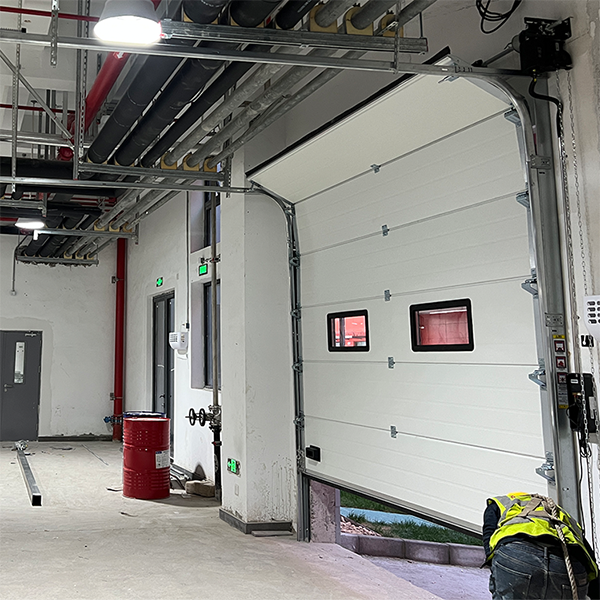
High lift sectional doors are essential components for various industrial applications, providing efficient access and enhanced functionality in logistics and warehousing environments. Understanding what businesses expect from high lift sectional doors is crucial for purchasing managers and engineers when evaluating options. This article will delve into the key specifications, sourcing options, common problems, and material advantages associated with high lift sectional doors, ensuring that readers gain practical insights for making informed decisions.
What Businesses Need to Know About High Lift Sectional Doors
High lift sectional doors extend the door's vertical travel above the opening before the tracks turn horizontally at a higher level inside the building. This arrangement can increase clearance beneath the opened door when sufficient height is available above the opening. Businesses should consider door size, material, insulation, and the complete track layout before purchasing.
Assess how the proposed high-lift layout fits the building. Measure the headroom above the opening and check the positions of beams, pipes, lighting, and equipment. A higher horizontal track position can keep the opened door above activities below, provided the site offers the required clearances and structural fixing points.
Key Specifications for Quality High Lift Sectional Doors Explained
When evaluating high lift sectional doors, several specifications should be scrutinized:
Thickness and Insulation: The thickness of the door panel influences its strength and insulation capabilities. A thicker panel generally offers better thermal insulation, which is crucial for energy efficiency in temperature-sensitive environments.
Material Composition: Door panels are available in color-coated steel, aluminum alloy, and stainless steel. Color-coated steel offers strength and a protective finish, aluminum alloy combines low weight with corrosion resistance, and stainless steel suits areas where corrosion resistance and surface cleaning matter. Choose the material and panel construction for the environment and insulation needs.
Operating System: Electric operation provides convenient control of the door. A motor, counterbalance system, and controls matched to the door's dimensions and weight support smooth starts, stops, and travel along the high-lift tracks. Confirm the operating configuration for the proposed layout.
Safety Features: Look for doors equipped with safety sensors, emergency stops, and robust locking mechanisms to ensure safety for personnel and equipment.
Structural Loads: Confirm the door's weight and the loads that the track supports and fixing structure must carry. The building structure and attachments should suit the proposed door assembly and the project's wind-load requirements. Review these requirements separately from the expected frequency of operation.
Where to Source Reliable High Lift Sectional Doors in Bulk
Sourcing high lift sectional doors in bulk can be streamlined by understanding the manufacturer landscape. Companies like Seppes Door Industry (Suzhou) Co., Ltd. offer a diverse range of industrial doors, including high lift sectional doors, and are known for adhering to European standards and holding multiple certifications.
When sourcing, consider the following:
Manufacturer Reputation: Research suppliers with a proven track record in the industry, particularly those that supply to Fortune 500 companies. This can provide confidence in product quality and reliability.
Customization Options: Many manufacturers offer customization to meet specific requirements, such as size, color, and insulation needs. Ensure the supplier can accommodate these specifications.
Minimum Order Quantities (MOQ): Understand the MOQ for your desired product to ensure it aligns with your purchasing strategy.
Lead Times: Discuss production and delivery timelines during the inquiry process to avoid delays in operational needs.
Common Problems with High Lift Sectional Doors and Their Solutions
Despite their advantages, high lift sectional doors can encounter several common issues, including:
Mechanical Failures: Regular maintenance is essential to prevent mechanical failures, which can lead to downtime. Common issues include worn-out springs or misaligned tracks. Establishing a maintenance schedule and training staff to perform basic inspections can mitigate these problems.
Insulation Failure: Over time, seals can wear out, leading to energy loss. Regularly check the door seals and replace them as needed to maintain energy efficiency and climate control.
Control System Malfunctions: If the door does not respond to controls, the issue may lie with the electrical components. Employing qualified technicians for troubleshooting and repairs can expedite resolution.
Safety Concerns: Ensure safety sensors are functioning correctly to avoid accidents. Periodic testing of safety features should be part of the maintenance routine.
Evaluating Material Advantages in High Lift Sectional Doors
The choice of material affects the performance and maintenance needs of high lift sectional doors. Here are the main considerations for the available panel materials:
Color-Coated Steel: Steel panels offer strength and durability, while their coating protects the surface. Suitable reinforcement and locking hardware can support protection of the closed opening. Select the finish for the environment and maintain any damaged coating to help prevent corrosion.
Aluminum: Lightweight and corrosion-resistant, aluminum doors are suitable for environments where weight is a concern. They often come in various finishes and can be aesthetically appealing for retail spaces.
Stainless Steel: Stainless steel panels offer corrosion resistance and surfaces suitable for regular cleaning. They can suit damp areas or locations with specific cleaning requirements. Select the grade and finish for the exposure conditions and cleaning agents; insulation depends on the panel construction.
When selecting a material, consider the specific environment in which the door will operate. Factors such as exposure to moisture, potential impacts, and necessary insulation levels should guide your decision.
By understanding what businesses expect from high lift sectional doors, purchasing managers can make informed decisions that align with operational needs and safety standards. Engaging with reputable manufacturers like Seppes Door Industry (Suzhou) Co., Ltd. ensures access to quality products that meet industry specifications and standards.
Table of Contents
- What Businesses Need to Know About High Lift Sectional Doors
- Key Specifications for Quality High Lift Sectional Doors Explained
- Where to Source Reliable High Lift Sectional Doors in Bulk
- Common Problems with High Lift Sectional Doors and Their Solutions
- Evaluating Material Advantages in High Lift Sectional Doors