EN

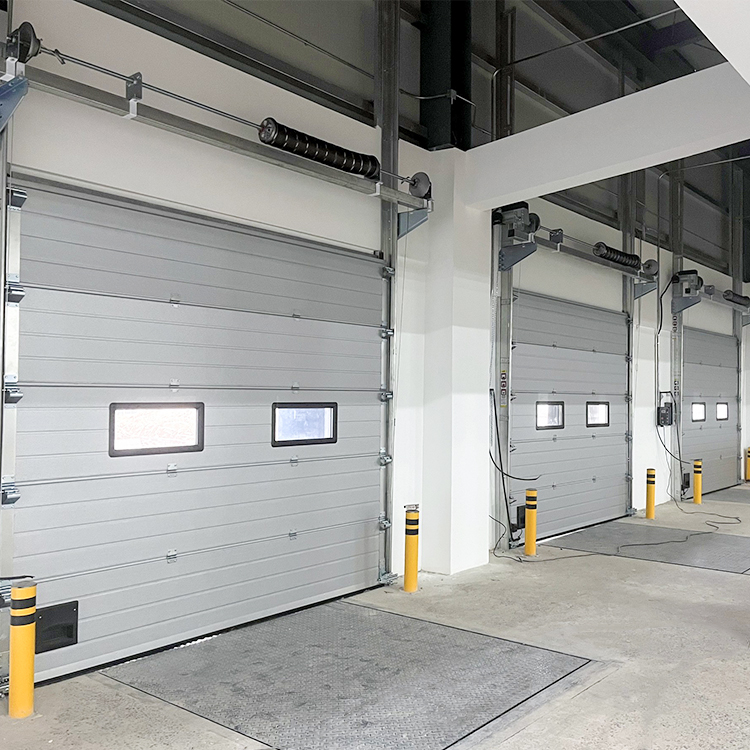
Aluminum sectional doors are essential components in heavy-duty applications across various industries, providing durability, security, and efficiency. The strength behind aluminum sectional doors for heavy-duty applications lies in their engineering, materials, and manufacturing processes. This article will address key buyer concerns, such as quality evaluation, benefits, supplier reliability, applications, and common issues, offering insights that help purchasing managers and engineers make informed decisions.
How to Evaluate the Quality of Aluminum Sectional Doors
When assessing the quality of aluminum sectional doors, buyers should focus on several critical factors. Firstly, the material composition is fundamental; high-grade aluminum alloys are preferred for their strength-to-weight ratio and resistance to corrosion. Buyers should confirm that the aluminum meets relevant industry standards, such as those set by the European Union.
Another important specification is the door thickness. A thicker door generally offers enhanced structural integrity and insulation properties, which are essential for temperature-sensitive environments. Additionally, examine the door's thermal break features, as these can significantly reduce energy costs by improving insulation.
Manufacturing processes also play a pivotal role in the quality of aluminum sectional doors. Automated production lines, such as those used by Seppes Door Industry, ensure precision and consistency. Buyers should inquire about quality control measures, including testing for structural performance and durability. Requesting certifications related to quality assurance can also provide peace of mind regarding product reliability.
The Benefits of Aluminum Sectional Doors in Industrial Settings
Aluminum sectional doors offer numerous advantages in industrial settings. Their lightweight nature facilitates easy operation while maintaining high strength, making them ideal for heavy-duty applications. Moreover, aluminum's natural resistance to rust and corrosion ensures longevity, particularly in environments exposed to moisture or chemicals.
These doors provide excellent thermal insulation, which can lead to significant energy savings. This is especially beneficial in climate-controlled warehouses or manufacturing facilities where temperature regulation is crucial. Additionally, the availability of various finishes allows businesses to maintain aesthetic appeal while ensuring functionality.
Aluminum's low weight can reduce the panel weight that the door system must balance and move. A motor and counterbalance system matched to the complete door assembly support smooth, controlled operation. Select these components for the door's dimensions, weight, and installation layout.
Why Reliability Matters in Aluminum Sectional Door Suppliers
Selecting a reliable supplier for aluminum sectional doors is vital for ensuring consistent quality and performance. A reputable manufacturer, such as Seppes Door Industry, typically has a proven track record of supplying to major corporations, including 70 Fortune 500 companies. This experience indicates a commitment to quality and customer satisfaction.
Buyers should assess the supplier's certifications and patents, which demonstrate adherence to industry standards and innovation in product design. Additionally, inquire about the supplier's production capabilities, including automation and manufacturing processes. A supplier with a well-equipped facility can offer greater customization options and faster lead times.
Furthermore, understanding customer support and service agreements is crucial. Suppliers that provide lifelong service and support, including maintenance and repairs, will help ensure that the doors continue to perform optimally throughout their lifespan.
Understanding the Applications of Aluminum Sectional Doors
Aluminum sectional doors serve logistics, warehousing, and manufacturing facilities. At logistics openings, electric operation allows staff to control access during loading and unloading. Coordinating door operation with the movement of goods and handling equipment supports an orderly workflow between operational zones.
In warehousing, aluminum sectional doors provide security and energy efficiency. They can be fitted with advanced access control systems, enabling secure entry while maintaining environmental control. This is crucial for businesses that store sensitive materials or need to manage temperature-sensitive inventory.
Moreover, in manufacturing settings, these doors can help separate different production areas, allowing for better workflow management and safety compliance. Their ability to withstand heavy use and harsh environments makes them suitable for factories that operate heavy machinery or chemicals.
Solutions to Common Problems with Aluminum Sectional Doors
While aluminum sectional doors are robust, some common issues may arise during their usage. One frequent problem is misalignment, which can occur due to wear and tear or improper installation. To mitigate this, buyers should ensure that installation is performed by experienced professionals and conduct regular maintenance checks.
Weatherproofing is another concern, especially in regions with extreme climates. Buyers should verify that the door seals are intact and functioning correctly, as gaps can lead to temperature fluctuations and energy loss. Additionally, selecting doors with enhanced sealing features can help combat this issue.
Lastly, corrosion can be a concern in harsh environments. While aluminum is resistant to rust, exposure to certain chemicals can compromise its integrity. Buyers should assess the specific environmental conditions of their operations and consult with suppliers to determine the best protective coatings and finishes for their doors.
In summary, understanding the strength of aluminum sectional doors for heavy-duty applications involves evaluating quality, recognizing their benefits, ensuring supplier reliability, understanding their applications, and addressing common issues. This knowledge equips purchasing managers and engineers to make informed decisions, ultimately leading to enhanced operational efficiency and product longevity.