EN
EN


ประตูอุตสาหกรรมความเร็วสูงสำหรับคลังสินค้าอัตโนมัติ: ข้อมูลเชิงลึกจากงาน CeMAT ออสเตรเลีย 2026
1. บทนำ: การทำให้เป็นอัตโนมัติกำลังเปลี่ยนแปลงระบบการเข้าถึงคลังสินค้า
คลังสินค้าที่ใช้ระบบอัตโนมัติกำลังเปลี่ยนแปลงการดำเนินงานด้านโลจิสติกส์ ภาคการผลิต และอีคอมเมิร์ซทั่วโลกอย่างรวดเร็ว ด้วยการใช้งานยานพาหนะนำทางอัตโนมัติ (AGV) รถยก ระบบลำเลียง และสายการคัดแยกอัจฉริยะมากขึ้น ประสิทธิภาพของคลังสินค้าจึงไม่ได้ขึ้นอยู่กับระบบภายในเพียงอย่างเดียวอีกต่อไป —แต่ยังขึ้นอยู่กับความเร็วและความปลอดภัยในการเคลื่อนย้ายสินค้าผ่านจุดเข้า-ออกด้วย
ในระบบโลจิสติกส์ภายในโรงงานสมัยใหม่ ประตูอุตสาหกรรมไม่ใช่โครงสร้างแบบพาสซีฟอีกต่อไป แต่กลายเป็นองค์ประกอบสำคัญของการจัดการการไหลของวัสดุ ซึ่งส่งผลโดยตรงต่อความเร็ว ความปลอดภัย และประสิทธิภาพการใช้พลังงาน
แนวโน้มนี้สะท้อนให้เห็นอย่างชัดเจนในงานแสดงสินค้าโลจิสติกส์ระดับโลก เช่น CeMAT Australia 2026 ซึ่งมุ่งเน้นไปที่การใช้ระบบอัตโนมัติ หุ่นยนต์ ระบบคลังสินค้า และนวัตกรรมด้านการจัดการวัสดุ
2. แนวโน้มอุตสาหกรรมจากงาน CeMAT Australia 2026
งานแสดงสินค้า CeMAT Australia 2026 ชี้ให้เห็นถึงการเปลี่ยนแปลงสำคัญในอุตสาหกรรมโลจิสติกส์ นั่นคือ คลังสินค้ากำลังก้าวสู่ระบบนิเวศที่บูรณาการระบบอัตโนมัติอย่างสมบูรณ์
สัญญาณสำคัญของอุตสาหกรรม ได้แก่:
การนำหุ่นยนต์และรถขนส่งอัตโนมัติ (AGVs) มาใช้งานอย่างแพร่หลายมากขึ้นในสภาพแวดล้อมคลังสินค้า
การให้ความสำคัญอย่างมากกับการผสานรวมระบบโลจิสติกส์ภายในโรงงาน
ความต้องการด้านความปลอดภัยและเวลาทำงานต่อเนื่อง (uptime) ที่เพิ่มสูงขึ้นในพื้นที่ที่มีการจราจรหนาแน่น
จุดเข้า-ออกคลังสินค้าเริ่มกลายเป็นส่วนหนึ่งของกระบวนการทำงานแบบอัตโนมัติ
สิ่งนี้หมายความว่าประตูอุตสาหกรรมจำเป็นต้องทำงานร่วมกับระบบที่เกี่ยวข้องด้านโลจิสติกส์โดยรวม ไม่ใช่เป็นเพียงอุปกรณ์ที่ใช้งานแยกต่างหาก
ประตูที่เปิด-ปิดช้าหรือไม่น่าเชื่อถือ อาจทำให้กระบวนการอัตโนมัติทั้งระบบหยุดชะงัก ส่งผลให้ปริมาณการผลิตลดลงและต้นทุนการดำเนินงานเพิ่มสูงขึ้น
3. เหตุใดประตูอุตสาหกรรมจึงมีความสำคัญในคลังสินค้าแบบอัตโนมัติ
ในคลังสินค้าแบบดั้งเดิม ความล่าช้าของประตูส่งผลกระทบเฉพาะต่อการปฏิบัติงานในบริเวณใกล้เคียงเท่านั้น แต่ในสภาพแวดล้อมแบบอัตโนมัติ แม้เพียงไม่กี่วินาทีของความล่าช้าก็สามารถส่งผลกระทบต่อประสิทธิภาพของระบบทั้งหมด
ประตูอุตสาหกรรมความเร็วสูงสำหรับการใช้งานในคลังสินค้าแบบอัตโนมัติให้สิ่งต่อไปนี้:
1. การไหลของจราจรที่เร็วขึ้น
รถยกและระบบ AGV ใช้เวลาคอยน้อยมากที่จุดเข้า-ออก
2. การประสานงานของระบบอย่างมั่นคง
สัญญาณเปิดประตูสามารถประสานงานกับระบบควบคุมคลังสินค้า (WMS/PLC) ได้
3. การแยกสภาพแวดล้อม
ลดการปนเปื้อนของฝุ่น การไหลของอากาศ และการแลกเปลี่ยนอุณหภูมิระหว่างโซนต่างๆ
4. การลดจุดคับคั่ง
ป้องกันไม่ให้เกิดความแออัดในเส้นทางโลจิสติกส์ที่มีการใช้งานบ่อย
5. ประสิทธิภาพพลังงาน
ลดการสูญเสียอากาศในห้องเย็นและสภาพแวดล้อมที่ควบคุมอย่างเข้มงวด
4. การผสานรวม AGV และรถยก: ข้อกำหนดสำคัญ
หนึ่งในพัฒนาการที่สำคัญที่สุดในการทำให้คลังสินค้าเป็นอัตโนมัติ คือ การผสานรวมเส้นทางของรถขนส่งอัตโนมัติ (AGV) กับระบบประตูอุตสาหกรรม
ประตูความเร็วสูงสมัยใหม่สามารถเชื่อมต่อกับสิ่งต่อไปนี้ได้
เซ็นเซอร์เรดาร์สำหรับตรวจจับยานพาหนะโดยอัตโนมัติ
ตัวตรวจจับวงจรใต้พื้นดินสำหรับกระตุ้นการทำงานของรถยก
ระบบ PLC สำหรับประสานงานกับรถขนส่งอัตโนมัติ (AGV)
ขั้วต่อแบบแห้ง หรือโปรโตคอลการสื่อสารอุตสาหกรรม
เมื่อตั้งค่าอย่างเหมาะสม ประตูจะเปิดโดยอัตโนมัติเมื่อมียานพาหนะเข้ามาใกล้ และปิดหลังจากยานพาหนะผ่านไปแล้ว ซึ่งช่วยให้การไหลของวัสดุดำเนินต่อเนื่องโดยไม่ต้องมีการแทรกแซงจากมนุษย์
การผสานรวมนี้ช่วยเพิ่มผลผลิตของคลังสินค้าอย่างมีนัยสำคัญ และลดความล่าช้าในการปฏิบัติงาน
5. ข้อกำหนดด้านความปลอดภัยสำหรับระบบประตูที่ใช้งานบ่อย
ความปลอดภัยเป็นปัจจัยสำคัญยิ่งในสภาพแวดล้อมคลังสินค้าที่ทำงานแบบอัตโนมัติ ซึ่งมนุษย์ รถยก และหุ่นยนต์ทำงานร่วมกันพร้อมกัน
ระบบประตูอุตสาหกรรมระดับมืออาชีพควรมีส่วนประกอบดังนี้
ม่านแสงความปลอดภัยสำหรับตรวจจับมนุษย์
ระบบขอบล่างที่ยืดหยุ่นและปลอดภัย
การผสานระบบปิดฉุกเฉินเข้ากับระบบควบคุม
โครงสร้างประตูแบบป้องกันการชนหรือซ่อมแซมตัวเองได้
ไฟเตือนสำหรับบ่งชี้การจราจร
เซ็นเซอร์โฟโตอิเล็กทริกสำหรับตรวจจับวัตถุ
คุณสมบัติเหล่านี้ช่วยลดความเสี่ยงจากอุบัติเหตุ ขณะเดียวกันก็รักษากระบวนการผลิตให้ดำเนินต่อเนื่องโดยไม่หยุดชะงัก
ในสภาพแวดล้อมที่ใช้งานบ่อยครั้ง ความปลอดภัยและประสิทธิภาพต้องทำงานร่วมกัน —ไม่ขัดแย้งกัน
6. เกณฑ์สำคัญในการเลือกซื้อ
ก่อนเลือกประตูอุตสาหกรรมความเร็วสูงสำหรับใช้งานในคลังสินค้าแบบอัตโนมัติ ผู้ซื้อควรประเมินสภาพการใช้งานจริง แทนที่จะพิจารณาเพียงข้อมูลจำเพาะของผลิตภัณฑ์เท่านั้น
ปัจจัยสำคัญในการเลือกซื้อ:
จำนวนรอบการเปิด-ปิดต่อวัน
ประเภทของการจราจร (AGV, รถยก, สายพานลำเลียง, หรือการจราจรแบบผสม)
ความเร็วในการเปิดที่ต้องการและระยะเวลาตอบสนอง
ความเข้ากันได้กับระบบเซ็นเซอร์และระบบควบคุม
ข้อกำหนดด้านความปลอดภัยและระดับการปฏิบัติตามมาตรฐาน
ความเสี่ยงจากการกระแทกเชิงกล (ต้องการระบบที่สามารถซ่อมแซมตัวเองได้)
สภาวะแวดล้อม (อุณหภูมิ ฝุ่น ความชื้น และแรงลม)
การผสานรวมกับระบบอัตโนมัติของคลังสินค้า
โซนต่าง ๆ ภายในคลังสินค้ามีความต้องการโครงสร้างประตูที่แตกต่างกัน ตัวอย่างเช่น ทางเดินสำหรับยานพาหนะนำส่งอัตโนมัติ (AGV) ต้องการความแม่นยำในการควบคุมระบบอัตโนมัติในระดับสูง ในขณะที่บริเวณพื้นที่ขนถ่ายสินค้าจำเป็นต้องมีการประสานงานเชิงโครงสร้างที่แข็งแรงกับอุปกรณ์ที่ใช้ในการขนถ่ายสินค้า
7. มุมมองของผู้ผลิต SEPPES
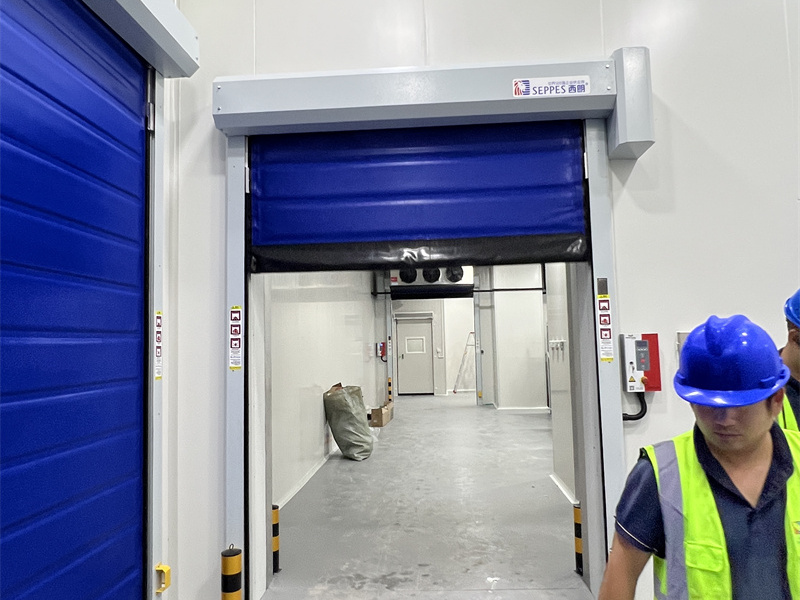
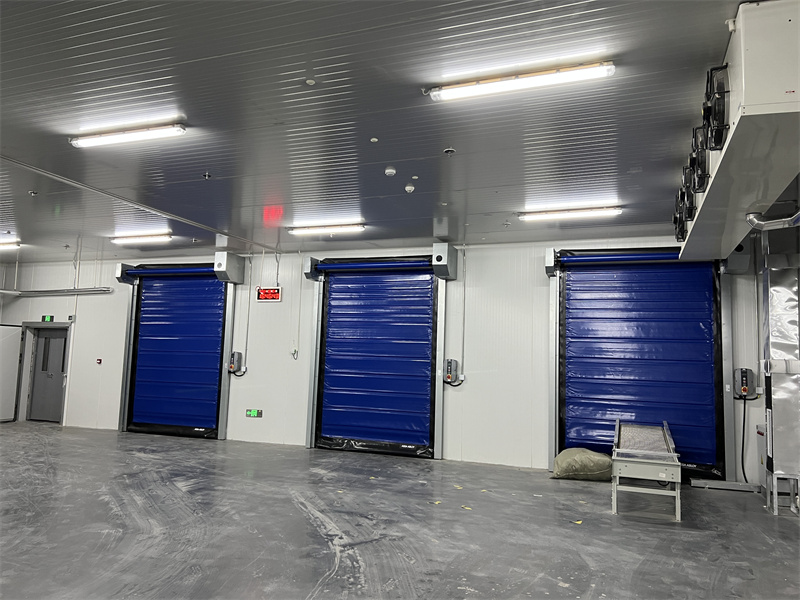
ในฐานะผู้ผลิตประตูอุตสาหกรรมมืออาชีพ SEPPES ออกแบบระบบประตูความเร็วสูงให้เป็นส่วนหนึ่งของโซลูชันการอัตโนมัติคลังสินค้าแบบบูรณาการ
แทนที่จะพิจารณาประตูเป็นสินค้าที่แยกต่างหาก SEPPES มุ่งเน้นไปที่:
ความเข้ากันได้ของระบบกับเครือข่าย AGV และสายพานลำเลียง
ความทนทานสูงสำหรับการใช้งานในภาคอุตสาหกรรมที่ต้องเปิด-ปิดบ่อยครั้ง
การผสานรวมเซ็นเซอร์อัจฉริยะเพื่อการเปิด-ปิดอัตโนมัติ
การออกแบบวิศวกรรมที่ให้ความสำคัญกับความปลอดภัยเป็นอันดับแรก
การบำรุงรักษาอย่างรวดเร็วและแนวทางลดเวลาหยุดทำงาน
ตัวอย่างเช่น ในสภาพแวดล้อมที่มีความเสี่ยงสูงสำหรับรถยก โครงสร้างประตูความเร็วสูงที่สามารถซ่อมแซมตัวเองได้จะช่วยลดเวลาหยุดการใช้งานอันเนื่องมาจากการชนโดยไม่ตั้งใจได้อย่างมีนัยสำคัญ
ในการใช้งานที่บริเวณลานจอดรถบรรทุก ประตูแบบตอน (sectional doors) มักทำงานร่วมกับอุปกรณ์ปรับระดับพื้นลานจอด (dock levelers) และระบบปิดผนึกเพื่อสร้างอินเทอร์เฟซโลจิสติกส์แบบครบวงจร
แนวทางการใช้งานแบบรวมเป็นระบบดังกล่าวสะท้อนทิศทางในอนาคตของระบบอัตโนมัติในภาคอุตสาหกรรม
8. สถานการณ์การใช้งานประตูอุตสาหกรรมความเร็วสูง
ประตูอุตสาหกรรมความเร็วสูงถูกนำมาใช้อย่างแพร่หลายในหลายอุตสาหกรรม ได้แก่
คลังสินค้าอัตโนมัติและศูนย์กระจายสินค้า
ห้องเย็นและระบบโลจิสติกส์ควบคุมอุณหภูมิ
การแปรรูปอาหารและการผลิตเครื่องดื่ม
สิ่งแวดล้อมสำหรับอุตสาหกรรมยาและห้องสะอาด (cleanroom)
โรงงานผลิตรถยนต์
ศูนย์ปฏิบัติตามคำสั่งซื้อในอีคอมเมิร์ซ
สายการผลิตที่ใช้รถขนส่งอัตโนมัติ (AGV) และหุ่นยนต์
แต่ละสถานการณ์ต้องการการจัดวางประตูที่แตกต่างกัน ขึ้นอยู่กับความหนาแน่นของการจราจร มาตรฐานด้านสุขอนามัย และสภาพแวดล้อม
9. สรุปประโยชน์
การติดตั้งประตูอุตสาหกรรมความเร็วสูงในคลังสินค้าแบบอัตโนมัติช่วยให้เกิดประโยชน์ที่วัดผลได้จริง ดังนี้
เพิ่มประสิทธิภาพในการจัดการวัสดุ
ลดเวลาที่ยานพาหนะและหุ่นยนต์ต้องรอ
ควบคุมสภาพแวดล้อมได้ดีขึ้น
ยกระดับความปลอดภัยในพื้นที่ที่มีการจราจรผสมผสาน
ลดเวลาหยุดเพื่อการบำรุงรักษา
เชื่อมต่อกับระบบคลังสินค้าดิจิทัลได้ดียิ่งขึ้น
ข้อได้เปรียบเหล่านี้ส่งผลโดยตรงต่อการเพิ่มประสิทธิภาพของคลังสินค้าและลดต้นทุนการดำเนินงาน