EN
EN


Автоматтандырылған қоймалар үшін жоғары жылдамдықты өнеркәсіптік есіктер: CeMAT Australia 2026 көрмесінен алынған талдау
1. Кіріспе: Автоматтандыру қоймаға кіру жүйелерін қайта пішіндейді
Автоматтандырылған қоймалар әлемдегі логистика, өндіріс және электрондық сауда операцияларын тез қайта құрып жатыр. Автоматты бағытталған көліктер (АБК), көтергіштер, конвейерлік жүйелер мен ақылды сорттау сызықтарының қолданысы кеңейген сайын қойманың тиімділігі тек ішкі жүйелерге ғана емес —сондай-ақ тауарлардың кіру нүктелері арқылы қаншалықты тез және қауіпсіз өтуіне де байланысты.
Қазіргі заманғы ішкі логистикада өнеркәсіптік есік пассивті құрылым болып қалмайды. Ол материалдар ағысын басқарудың маңызды компонентіне айналды, ол тікелей жылдамдыққа, қауіпсіздікке және энергия тиімділігіне әсер етеді.
Бұл бағыт әлемдегі логистикалық көрмелерде, мысалы CeMAT Australia 2026 – автоматтандыру, роботтектесу, қойма жүйелері және материалдарды өңдеу инновацияларына назар аударатын көрмеде айқын көрінеді.
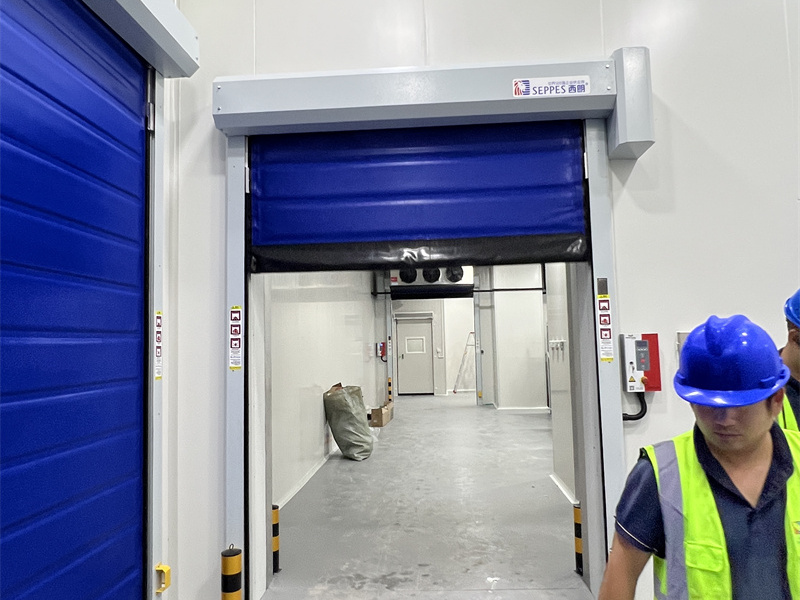
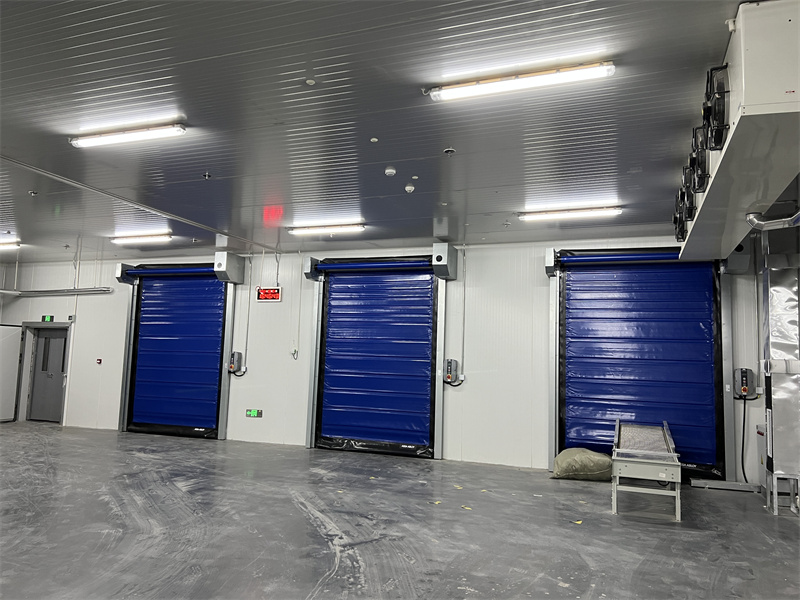
2. CeMAT Australia 2026 көрмесіндегі сала тенденциясы
CeMAT Australia 2026 көрмесі логистика саласындағы негізгі ығысуға назар аударады: қоймалар толық интеграцияланған автоматтандырылған экожүйелерге айналады.
Негізгі салалық белгілерге мыналар жатады:
Қоймаларда роботтар мен автоматтандырылған бағыттаушы көліктерді (АГВ) қолданудың артуы
Ішкі логистикалық жүйелерді интеграциялауға күшті назар аудару
Жоғары жиілікті қозғалыс аймақтарында қауіпсіздік пен жұмыс істеу уақытын ұзартуға деген сұраныстың өсуі
Қоймаларға кіру нүктелері автоматтандырылған жұмыс процестерінің бір бөлігіне айналуда
Бұл дегеніміз – өнеркәсіптік есіктер енді жеке құрылғы ретінде емес, толық логистикалық жүйенің бір бөлігі ретінде жұмыс істеуі керек.
Баяу немесе сенімсіз есік бүкіл автоматтандырылған тізбекті тоқтатып, өндірістік қуатты төмендетіп, операциялық шығындарды арттырады.
3. Автоматтандырылған қоймаларда өнеркәсіптік есіктердің маңызы қандай?
Дәстүрлі қоймаларда есіктің кешігуі тек жергілікті операцияларға әсер етеді. Ал автоматтандырылған ортада бірнеше секундтық кешігу бүкіл жүйенің тиімділігіне әсер етуі мүмкін.
Автоматтандырылған қоймаларға арналған жоғары жылдамдықты өнеркәсіптік есік мыналарды қамтамасыз етеді:
1. Трафик ағысының жылдамдығы
Тауарларды көтергіштер мен автоматтандырылған бағыттаушы көліктер (АБК) кіріс нүктелерінде аз уақыт күтеді.
2. Жүйенің тұрақты синхрондауы
Есік ашылу сигналдары қоймадағы басқару жүйелерімен (ҚБЖ/ПЛК) синхрондалуы мүмкін.
3. Аймақтардың экологиялық бөлінуі
Аймақтар арасындағы тозаң, ауа ағысы және температураның алмасуын азайтады.
4. Тұйықталулардың азаюы
Жиі қолданылатын логистикалық коридорлардағы тығысуларды болдырмау.
5. Энергияны үнемдеу
Суық сақтау және бақыланатын ортада ауа жоғалтуын азайтады.
4. АБК және көтергіштерді интеграциялау: Негізгі талап
Қойма автоматтандыруындағы ең маңызды дамулардың бірі — AGV маршруттары мен өнеркәсіптік есік жүйелері арасындағы интеграция.
Қазіргі заманғы жоғары жылдамдықты есіктер келесілермен қосылуы мүмкін:
Автоматты көліктерді анықтау үшін радиолокациялық сенсорлар
Тағайындалған транспорттық құралдарды іске қосу үшін жерге орналасқан контурлы детекторлар
AGV-дерді синхрондау үшін PLC жүйелері
Құрғақ контактілер немесе өнеркәсіптік коммуникациялық протоколдар
Дұрыс конфигурацияланған кезде есік көлік жақындап келгенде автоматты түрде ашылады және ол өткеннен кейін жабылады, осылайша адамның қатысуынсыз материалдардың үздіксіз ағысы қамтамасыз етіледі.
Бұл интеграция қойманың өнімділігін қатты арттырады және операциялық кешігулерді азайтады.
5. Жиі қолданылатын есік жүйелеріндегі қауіпсіздік талаптары
Қауіпсіздік — адамдар, көтергіш крандар және роботтар бір уақытта жұмыс істейтін автоматтандырылған қойма ортасындағы маңызды фактор.
Кәсіби өнеркәсіптік есік жүйесіне мыналар кіруі тиіс:
Адамдарды анықтау үшін қауіпсіздік шамының шырағы
Иілгіш төменгі қауіпсіздік жиегі жүйелері
Авариялық тоқтату функциясының басқару жүйелерімен интеграциялануы
Соқтығысуға қарсы немесе өзін-өзі жөндеуі мүмкін есік конструкциялары
Қозғалыс бағытын көрсету үшін ескертетін шамдар
Заттарды анықтау үшін фотоэлектрлік сенсорлар
Бұл қасиеттер жұмыс процесін тоқтатпай, апаттар қаупін азайтады.
Жоғары жиілікті ортада қауіпсіздік пен тиімділік бір-бірімен ынтымақтастықта болуы керек —бір-біріне қарсы емес.
6. Сатып алушылар үшін негізгі таңдау критерийлері
Автоматтандырылған қоймада пайдалану үшін жоғары жылдамдықты өнеркәсіптік есікті таңдағаннан бұрын сатып алушылар өнімнің техникалық сипаттамаларын ғана емес, нақты жұмыс істеу жағдайларын бағалауы қажет.
Маңызды таңдау факторлары:
Күндік ашу және жабу циклдары
Қозғалыс түрі (автоматтандырылған қозғалыс құралдары, көтергіш кран, конвейер, аралас ағын)
Қажетті ашу жылдамдығы мен реакция уақыты
Сенсорлар мен басқару жүйелерінің үйлесімділігі
Қауіпсіздік талаптары мен сәйкестік деңгейі
Механикалық соққының қаупі (өзін-өзі жөндеу жүйесінің қажеттілігі)
Қоршаған орта жағдайлары (температура, тозаң, ылғалдылық, жел жүктемесі)
Қойма автоматтандыру жүйелерімен интеграция
Әртүрлі қойма аймақтары әртүрлі есік конфигурацияларын талап етеді. Мысалы, AGV коридорлары жоғары дәлдікті автоматтандыруды, ал жүктеу доктары док жабдықтарымен қатты құрылымдық ыңғайластыруды қажет етеді.
7. SEPPES Өндірушісінің көзқарасы
Кәсіби өнеркәсіптік есік өндірушісі ретінде SEPPES жоғары жылдамдықты есік жүйелерін интеграцияланған қойма автоматтандыру шешімдерінің бір бөлігі ретінде жобалайды.
Есіктерді жеке өнімдер ретінде қарау орнына SEPPES мыналарға назар аударады:
AGV және конвейер желілерімен жүйелік сәйкестік
Жиі өнеркәсіптік пайдалануға арналған жоғары циклды төзімділік
Автоматтандырылған іске қосу үшін ақылды сенсорларды интеграциялау
Қауіпсіздікке негізделген инженерлік жобалау
Тез жөндеу және тоқтап қалу уақытын азайту шешімдері
Мысалы, қауіпті жоғары деңгейдегі көтергіш тақталар орналасқан аймақтарда өзін-өзі жөндеуге қабілетті жоғары жылдамдықты есік құрылымы кездейсоқ соққыдан туындаған тоқтап қалу уақытын әлдеқайда азайта алады.
Жүк тиеу алаңдарында бөлікті есіктер жиі жүк тиеу деңгейлерімен және орнықтыру жүйелерімен бірге жұмыс істеп, толық логистикалық интерфейс құрады.
Бұл жүйелік тәсіл өндірістік автоматтандырудың болашақ бағытын көрсетеді.
8. Жоғары жылдамдықты өндірістік есіктердің қолданылу салалары
Жоғары жылдамдықты өндірістік есіктер көптеген салаларда кеңінен қолданылады:
Автоматтандырылған қоймалар мен тарату орталықтары
Суық сақтау және температурасын бақылау логистикасы
Тамақ өңдеу және сусын өндіру
Фармацевтикалық және таза бөлме ортасы
Автокөлік өндірісі зауыттары
Электронды коммерция орындары
AGV және роботтық өндіріс желілері
Әрбір сценарий трафик интенсивтілігіне, гигиеналық стандарттарға және экологиялық жағдайларға байланысты әртүрлі есік конфигурацияларын талап етеді.
9. Пайданың қорытындысы
Автоматтандырылған қоймаларға жоғары жылдамдықты өнеркәсіптік есіктерді енгізу тиісті пайданы қамтамасыз етеді:
Материалдарды өңдеу тиімділігінің артуы
Көліктер мен роботтар үшін күтудің азайуы
Жақсартылған Әлеуметтік Бақылау
Аралас қозғалыс ортасындағы қауіпсіздіктің артуы
Техникалық қызмет көрсету бойынша тоқтап тұру уақытының азайуы
Цифрлық қойма жүйелерімен жақсы интеграциялану
Бұл артықшылықтар тікелей қойманың өнімділігін арттырады және операциялық шығындарды төмендетеді.