EN
EN

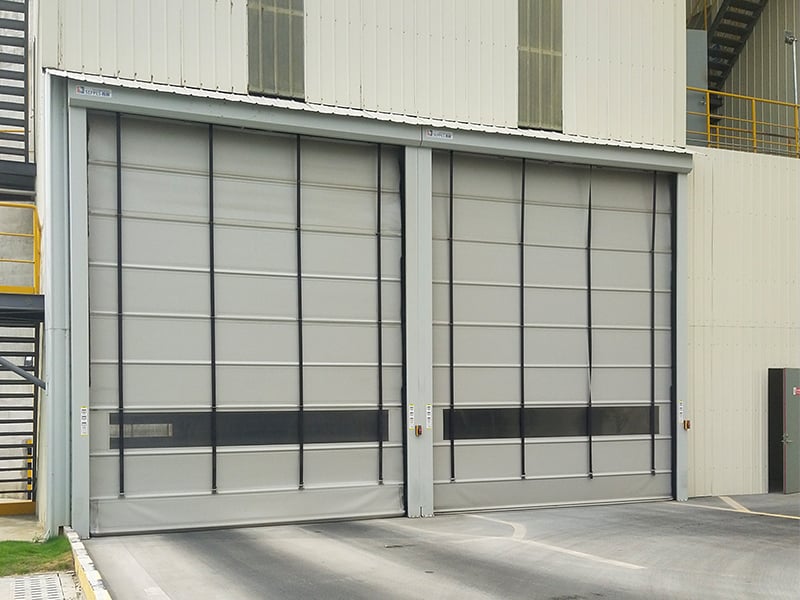
How Sectional Panel Doors Enhance Building Thermal Envelope Integrity
Understanding the Thermal Envelope and the Role of Sectional Panel Doors
A building's thermal envelope acts as its main shield against losing energy, basically managing how heat moves from inside to outside spaces. For businesses and factories where big doors are constantly opening and closing, these envelopes get compromised pretty easily. That's why sectional panel doors have become so important lately. These newer models come with layers upon layers of insulation material plus really tight sealing around edges. They cut down on both types of heat movement we worry about - the direct transfer through materials and the air currents that carry warmth away. The result? Much better temperature stability inside no matter what's happening outside.
Principle: Minimizing Heat Transfer Through Door Design and Insulation
Sectional panel doors fight against those big energy wasters we all know too well: heat moving through materials and cold drafts sneaking in from the edges. Manufacturers build them with stuff like polyurethane foam inside and reinforce the panels with steel for better protection against temperature changes. The way these panels overlap each other plus the constant layer of insulation makes a real difference. Tests show they cut down on heat movement by somewhere around 40 percent when compared to regular old uninsulated doors. That kind of improvement means buildings stay warmer in winter and cooler in summer while using less power overall.
Case Study: Energy Savings in Commercial Warehouses Using Insulated Sectional Doors
Research from 2023 looked at twelve medium sized warehouses and discovered something interesting about their heating bills. When these places switched to insulated sectional panel doors, they saved between 18 to 22 percent on their annual HVAC expenses. Take one warehouse in Michigan for example. After putting in doors featuring R-16 polyurethane insulation along with complete weather stripping around the edges, they noticed their winter heat losses dropped by nearly a third. What's happening here? The numbers point to a bigger picture across the industry. Proper insulation on overhead doors seems to cut down overall building energy consumption somewhere around 15 to 20 percent in regions with moderate climates. Why does this matter so much? Because when HVAC systems don't have to run as often and temperatures stay more stable inside, it makes all the difference for facilities storing temperature sensitive goods.
Polyurethane Foam and Other High-Performance Insulation Materials
When it comes to insulating sectional doors, polyurethane foam stands out as the top choice for good reason. The stuff works really well thermally while also giving structural support to the door panels. Closed cell poly has R values ranging from around R-7 up to R-8.5 per inch thickness, which is almost twice what we get from polystyrene materials that typically offer only R-3.5 to R-4. What makes this material so effective is how it expands during production, filling every nook and cranny in the door cavity. This creates a tight seal that stops heat from moving through by conduction. For doors installed in areas with harsh temperature swings, some manufacturers go one step further by combining the polyurethane with reflective vapor barriers. These extra layers help block radiant heat transfer, making them particularly useful in industrial settings where temperature control matters most.
Measuring Thermal Insulation: Understanding R-Value in Sectional Steel Doors
The R value tells us how well a material stops heat from moving through it. Basically, the bigger the number, the better job it does at insulating. When looking at sectional steel doors specifically, there are actually three main things that affect their overall R value rating. First comes the insulation core itself. Then we have those steel layers which usually range between R 0.5 and R 1.2 depending on thickness. And finally, how effective those internal air spaces are makes a difference too. Switching out an old door without any insulation (around R 2) for something with R 16 insulation could cut down on heating and cooling expenses anywhere from 10 percent to maybe even 20 percent according to Door and Access Systems Manufacturers Association research back in 2024. But here's the catch though, all these numbers only matter if the door gets installed correctly. Doors where panels get squished together or aren't aligned properly might lose up to 15% of their efficiency in practice.
R-Value Benchmarks for Climate-Specific Energy Efficiency
| Climate Zone | Minimum R-Value | Optimal Range |
|---|---|---|
| Arctic/Cold | R-14 | R-18–R-22 |
| Temperate | R-10 | R-12–R-16 |
| Hot-Arid/Humid | R-8 | R-10–R-14 |
These benchmarks align with ASHRAE 90.1-2022 standards, helping ensure compliance with regional energy codes while minimizing condensation risks in humid conditions.
Advanced Sealing Technologies to Prevent Air Leakage in Sectional Systems
Weatherstripping and Perimeter Seals for Industrial and Commercial Applications
Top quality sectional doors can keep air leakage below 0.1 CFM per square foot thanks to their advanced sealing technology. Many of these doors use industrial strength EPDM gaskets which stay pliable even when temperatures drop to minus 40 degrees Fahrenheit or climb up to 250 degrees. For areas where wear and tear is constant, thermoplastic rubber provides excellent protection against abrasion. Factory door makers have started integrating several smart sealing features into their designs lately. We're seeing things like brush seals that overlap each other to stop dust from getting through, magnetic strips that ensure proper door alignment every time it closes, and special thresholds with thermal breaks that stop heat transfer at key points where energy loss typically occurs.
Reducing Infiltration: How Sealing Mechanisms Improve Energy Conservation
A recent 2023 report from the Building Energy Research Group found that improved sealing on those big industrial panel doors can cut down air leaks by around 70%. What does this mean for businesses? Lower heating and cooling bills typically drop between 18 to 25% in facilities where temperature control matters most. The magic happens because these compression seals actually move with the door panels as they expand and contract through different seasons. They keep working properly even after tens of thousands of openings and closings. For cold storage areas running at about -22 degrees Fahrenheit, special triple fin polyurethane seals do double duty. Not only do they stop frost from forming on the door edges, but they also maintain good insulation properties equivalent to R-9.5 rating. This meets important standards set forth in ASHRAE 90.1 regulations for energy efficiency in commercial buildings.
Climate-Responsive Selection of Sectional Panel Doors for Optimal Efficiency
Design Considerations for Extreme Cold and Hot Climates
Getting the most out of energy savings means matching sectional panel doors to what kind of weather they'll face day in and day out. When we're talking about places where temperatures drop below freezing, doors need those thick polyurethane cores rated at least R-10 plus three layers around the edges to stop all that cold air from sneaking through. For buildings located in really hot desert areas, applying special reflective coatings on the steel surfaces helps cut down on how much heat gets absorbed into the building itself according to recent studies from Global Building Materials back in 2023 showed reductions as high as nearly 60%. And don't forget about coastal regions either! These spots require doors with tracks made from galvanized steel that won't rust away when saltwater is always in the air, along with seals designed specifically for humid conditions so they last longer without letting drafts escape or moisture creep inside.
Comparative Analysis of Thermal Performance in Diverse Geographic Regions
A 2023 analysis of 12,000 installations revealed distinct performance outcomes based on climate:
| Climate Type | Recommended Door Specification | Annual Energy Savings* |
|---|---|---|
| Arctic (-30°C avg) | 50mm insulated panels, heated thresholds | 34% |
| Tropical (35°C+ avg) | Low-emissivity glass inserts, solar-reflective skins | 28% |
*Compared to non-insulated doors in same climate (ASHRAE 2023 dataset)
In high-traffic facilities, balancing insulation with durability is crucial—intermediate R-values (6–8) paired with heavy-duty seals often provide the best long-term value.
Matching Door Specifications to Regional Climate and Usage Patterns
Selecting the right sectional door involves four key considerations:
- Temperature swing range: Areas with >40°C annual variation require multi-layer seals to accommodate material movement
- Precipitation type: Snow-prone regions need heated curtain systems; monsoon zones benefit from sloped, water-shedding headers
- Operational cycles: Facilities with 100+ daily cycles should prioritize wear-resistant components like polyamide-reinforced hinges
- Local energy costs: High electricity rates amplify ROI—facilities in deregulated markets see payback periods of 9–12 months
Organizations adopting climate-adaptive construction practices report 19% lower HVAC costs than national averages (2023 Commercial Real Estate benchmarks), underscoring the strategic role of well-specified sectional doors in sustainable design.
Sustainability and Lifecycle Benefits of Energy-Efficient Sectional Panel Doors
Energy Efficiency as a Driver of Green Building Compliance
Insulated sectional panel doors play a big role in getting green building certifications like LEED and BREEAM because they cut down on thermal bridging issues and reduce the need for heating and cooling systems. When older commercial buildings get upgraded with these door systems, studies show they can save around 30% on yearly energy costs compared to regular doors. That kind of saving helps meet international requirements that ask for minimum 15% reductions in energy usage. What's more, the improved seals on these doors stop about 40 to 60% less air from leaking through, which actually satisfies the tough standards needed for passive building certification programs.
Lifecycle Analysis: Environmental Impact and Long-Term Cost Savings
Insulated sectional doors actually produce about 72% less carbon emissions over their 20 year life compared to regular ones because they're built with tough steel and have those polyurethane cores that can be recycled later on. According to a study done last year, buildings that install these high R value doors end up saving around twelve cents per square foot every year. That adds up fast too - think about what $48k means for someone running a warehouse that's 400 thousand square feet big. And let's not forget maintenance either. These doors need way less upkeep since the seals stay good even after hundreds of thousands of openings and closings. The savings from reduced maintenance alone hit about 35%, which makes sense when we consider how long these doors last before needing replacement.
FAQ
What is a thermal envelope in buildings?
The thermal envelope is the building's primary barrier against energy loss, regulating heat transfer between indoor and outdoor environments.
How do sectional panel doors improve energy efficiency?
Sectional panel doors enhance energy efficiency by minimizing heat transfer and air leakage through advanced insulation materials and sealing technologies.
What are the benefits of high R-value doors?
High R-value doors provide excellent insulation, reducing heating and cooling costs and improving temperature stability inside buildings.
How can insulated sectional doors impact carbon emissions?
Insulated sectional doors reduce carbon emissions during their lifecycle due to better insulation and recyclable materials.
Table of Contents
- How Sectional Panel Doors Enhance Building Thermal Envelope Integrity
- Polyurethane Foam and Other High-Performance Insulation Materials
- Measuring Thermal Insulation: Understanding R-Value in Sectional Steel Doors
- Advanced Sealing Technologies to Prevent Air Leakage in Sectional Systems
- Climate-Responsive Selection of Sectional Panel Doors for Optimal Efficiency
- Sustainability and Lifecycle Benefits of Energy-Efficient Sectional Panel Doors
- FAQ