EN
EN

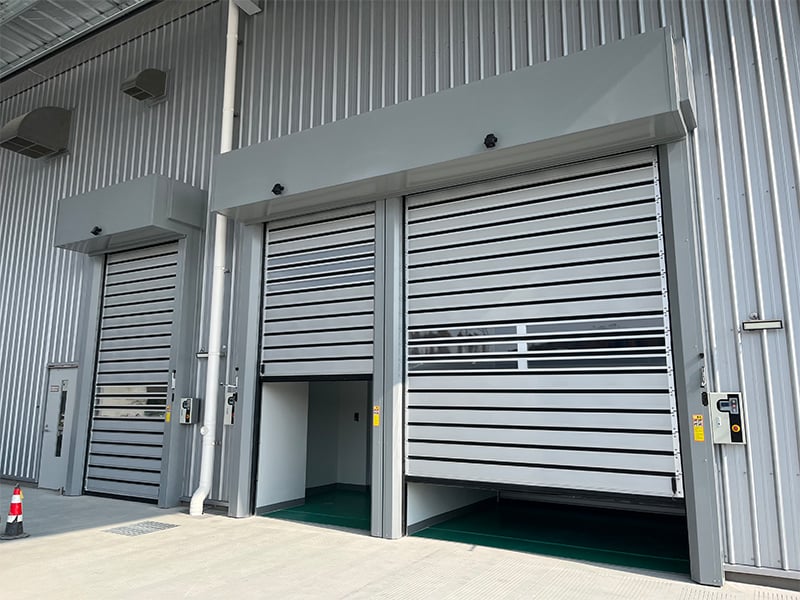
How Folding Garage Doors Work and Why They Save Space
What Is a Bifold Garage Door?
Bifold garage doors are made up of several hinged panels that either fold inside or outside along a track system. These differ from regular single panel swing doors because they need much less room to operate properly. When opened, there's usually just enough space needed for about four to six stacked panels. Most top brands build them with either aluminum or steel frames that can hold around 400 pounds according to Door & Access Systems Manufacturers Association data from last year. This makes them both strong and space efficient at the same time.
Mechanics Behind the Movement: How Folding Doors Operate
These doors operate via a track-and-rail mechanism that guides panels into a compact folded position. Key components include:
- Panels folding at 90° angles using heavy-duty pivot hinges
- Top-mounted rollers that glide along an overhead track
- Counterbalance springs reducing operating force by 70% compared to traditional swing doors
This setup allows a standard 16-foot-wide door to collapse into a stack as narrow as 2 feet beside the opening.
Space Efficiency Compared to Traditional Swing and Roll-Up Doors
Folding doors eliminate the need for front clearance required by swing doors and reduce ceiling space usage compared to roll-up models. The following comparison highlights their advantages:
| Feature | Folding Doors | Roll-Up Doors | Swing Doors |
|---|---|---|---|
| Front Clearance | 0 ft | 0 ft | 4-6 ft |
| Ceiling Space | 12-18" | 24-36" | 0" |
| Installation Depth | Wall-mounted | Overhead | Floor-mounted |
Their vertical stacking design makes folding doors ideal for urban homes with low ceilings or limited driveway depth (Space Optimization Institute 2023).
Top Benefits of Folding Garage Doors in Compact and Urban Settings
Maximizing Driveway Usability with Full-Width Clear Openings
Folding garage doors give homeowners complete access across their entire doorway without taking up precious driveway real estate. Swing doors need about 4 to 6 feet of open space to operate properly, while roll up models require plenty of headroom above the garage. Folding systems solve this problem by stacking compactly right inside the door frame itself. The result? A clear path through the garage that can handle big vehicles like SUVs, small trailers, or all sorts of outdoor equipment, even when the driveway is less than 16 feet wide. Some research into how people design garages in cities shows these folding options cut down on wasted space by around 72 percent over traditional swinging doors.
Why Folding Doors Outperform Swings and Roll-Ups in Small Spaces
Three key advantages make folding doors optimal for compact environments:
- Zero swing radius: No forward or backward arc needed for operation
- Minimal overhead/floor tracks: Horizontal models use only 12–18 inches of ceiling space versus 24+ inches for roll-ups
- Partial opening capability: Individual panels can be opened for ventilation while maintaining security
Additionally, roll-up doors require bulky housing above the frame—reducing usable ceiling height by 8–14 inches—which is problematic in garages with storage racks or lofts.
Real-World Example: Space Gains in a Suburban Townhouse
When homeowners in Boston retrofitted their 19 foot wide townhouse garage last year, they swapped out traditional swing doors for horizontal folding panels. This change freed up around 58 square feet of driveway space, which was put to good use with the addition of both a bike rack and a small recycling station. Removing all those bulky swing door mechanisms actually gave them an extra 11 inches vertically for storage shelves too. According to follow up checks after installation, most people reported better parking experiences overall. About 89 percent said they parked more accurately now and had fewer close calls with walls or other cars when backing in.
Types and Configurations of Folding Garage Doors
Vertical vs. Horizontal Folding: Key Functional Differences
There are basically two ways folding garage doors work: vertical and horizontal styles. The vertical type goes up when opened, which makes sense for folks who have tight spaces on either side of their garage door area. These need about half again less room next to them compared to regular swinging doors according to some industry data from 2023. Then there's the horizontal option where panels slide over to the sides instead. This kind tends to fit better in garages where the ceiling height isn't an issue but the driveway doesn't go back very far before hitting something else.
Top-Hung vs. Bottom-Rolling Track Systems and Structural Needs
The choice between top-hung and bottom-rolling systems depends on structural support and weight capacity:
| Feature | Top-Hung Systems | Bottom-Rolling Systems |
|---|---|---|
| Primary Support | Overhead tracks | Floor-mounted rollers |
| Weight Capacity | Up to 400 kg (880 lbs) | Up to 250 kg (550 lbs) |
| Structural Needs | Reinforced lintel beams | Level concrete foundation |
Top-hung systems dominate commercial applications (72% of installations per 2024 Garage Door Manufacturers Association data), while bottom-rolling options are preferred for residential retrofits where modifying overhead structures isn't feasible.
Common Applications by Door Configuration and Layout
Auto shops tend to go for vertical folding doors because mechanics need easy side-to-side access to their wall mounted tools. When it comes to space tight situations like city townhouses, horizontal models work better since most properties only have about 2.4 meters of frontage according to some recent planning data from the UK. For places with harsh winters, these folding options beat traditional roll up doors hands down. The ones that hang from above actually keep heat in around 30 percent better than standard models thanks to those sealed tracks running along the ceiling. Makes sense when we think about how much money heating costs can add up over winter months.
Materials, Design, and Aesthetic Customization Options
Comparing Materials: Aluminum, Steel, and Wood for Folding Doors
Folding garage doors are available in three primary materials, each balancing performance and aesthetics:
- Aluminum: Lightweight (30% lighter than steel) and corrosion-resistant, ideal for coastal areas. Powder-coated finishes typically last over 15 years under UV exposure.
- Steel: Offers enhanced security with 18–24-gauge thickness. Insulated steel panels reduce energy loss by 27% compared to non-insulated materials (Home Energy Efficiency Report 2022).
- Wood: Delivers classic curb appeal but requires biannual sealing. Modern solutions like aluminum-clad wood combine visual warmth with low maintenance.
Panel Sizes, Configurations, and Track Design Flexibility
Panel widths range from 12" to 24", allowing customization for non-standard openings. Track design affects installation flexibility: top-hung systems preserve floor space but require reinforced headers, while bottom-rolling setups work well in existing structures. Industry data shows 63% of urban installations use narrower 12"–16" panels to maximize clearance in tight driveways.
Matching Your Folding Garage Door to Architectural Style
When it comes to design decisions, they really need to match what looks good in the overall home setting. Take horizontal aluminum slats for instance these work great on those modern farmhouse builds. On the flip side, vertical wood panels bring back that classic feel reminiscent of old carriage houses from years ago. Contemporary exteriors often benefit from anodized surfaces available in colors like matte black or metallic bronze which give just enough class without going overboard. Most architects nowadays are specifying folding doors with hidden tracks because let's face it nobody wants visible hardware messing up those clean lines so important in minimalist spaces. Statistics show something like 78 percent of professionals go this route when working on sleek modern projects.
FAQ
What are the main benefits of folding garage doors?
Folding garage doors save space by eliminating the need for front clearance and requiring less ceiling space compared to traditional doors. They offer full-width openings and are ideal for urban settings with limited space.
How do folding garage doors operate?
Folding garage doors use a track-and-rail mechanism with panels that fold at 90° angles and top-mounted rollers that glide along an overhead track. They incorporate counterbalance springs to reduce the operating force required.
What materials are used for folding garage doors?
Folding garage doors are constructed from materials such as aluminum, steel, and wood. Each material has advantages like corrosion resistance, security, energy efficiency, and aesthetic appeal.
How do vertical and horizontal folding garage doors differ?
Vertical folding doors open upwards, ideal for tight spaces on either side of the garage. Horizontal folding doors slide to the sides and are suitable for garages with ample ceiling height but limited driveway length.