EN
EN

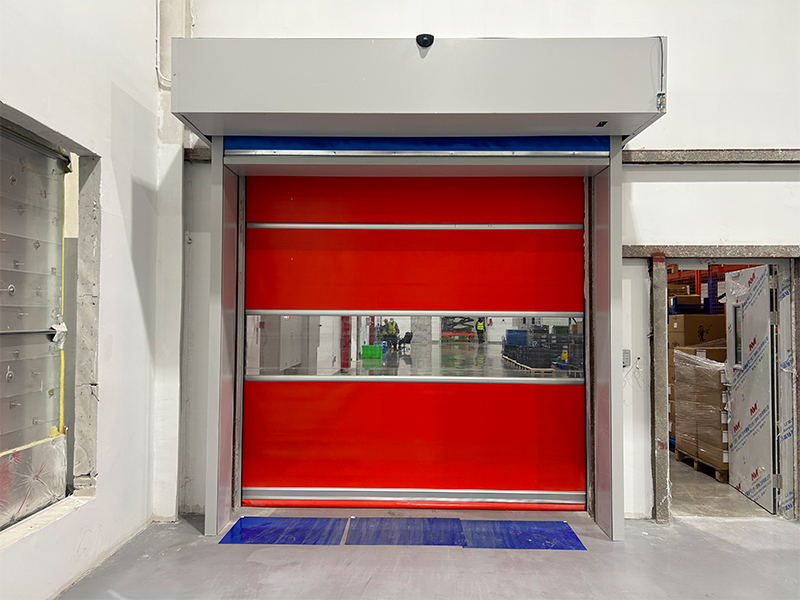
How High-Speed Roll-Up Doors Minimize Energy Loss
Roll up doors that move at high speeds work about three to four times quicker than standard versions, which cuts down how long doors stay open by as much as eighty percent. The speed means less air gets swapped in and out when doors are opening and closing repeatedly something that wastes a lot of energy in warehouse settings and manufacturing areas. When doors aren't left gaping for so long, it helps keep temperatures inside buildings more consistent and takes some stress off heating and cooling systems too. Facility managers often notice lower utility bills after switching to these faster door systems.
Reduction in Air Exchange and Temperature Fluctuations
Buildings equipped with high speed doors see under 0.25 air changes per hour (ACH) versus more than 1.5 ACH from standard overhead doors according to Ponemon's research from last year. That means an impressive 85 percent cut down on unwanted air movement which makes all the difference when it comes to controlling temperatures accurately. For sectors such as food manufacturing and drug production where keeping things stable within just plus or minus one degree Celsius matters so much, this kind of tight control becomes absolutely critical. When there's less air moving around from section to section, products stay at their proper temps longer and don't risk getting damaged by unexpected temperature shifts throughout the facility.
Superior Sealing and Thermal Insulation Performance
Advanced high-speed roll-up doors feature dual-panel construction with polyurethane foam cores achieving R-12 insulation values, along with triple-seal systems that eliminate gaps around the door perimeter. Independent testing confirms these enhancements reduce thermal transfer by 40–60% compared to standard roll-up configurations, significantly improving building envelope performance.
Case Study: Energy Savings in Cold Storage Facilities
Looking at cold storage facilities that installed high speed doors back in 2023, researchers found these places used 28% less energy for heating and cooling systems. The numbers add up to around $740k saved each year according to McLaughlin and colleagues. Another study from Energy Reports points out something interesting too. During those long winter months when heating costs spike, there was a 19% drop in peak demand because the buildings stayed warmer longer thanks to better insulation around those doors. What this really means is that what might seem like just another piece of equipment makes all the difference for businesses needing to maintain strict temperatures while keeping their electricity bills under control.
Impact on HVAC Load and Operational Energy Use
By maintaining consistent internal conditions, high-speed roll-up doors allow HVAC systems to operate at 70–80% of their previous energy draw. This efficiency translates into 18–22% reductions in overall facility energy consumption across diverse climates, lowering utility costs and extending equipment lifespan through reduced runtime and wear.
Reducing Carbon Emissions Through Advanced Door Technology
From Energy Savings to Lower CO2 Emissions
High speed roll up doors can operate at around 80 to 100 cycles per minute according to Door & Access Systems Council data from 2023. This means doors stay open for much shorter periods time cutting down on how long they remain open by roughly 85 to 90 percent compared with regular models. The faster operation helps stop heat from moving between different areas inside buildings too. Traditional industrial doors usually waste about 12 to 15 percent of energy this way. Facilities that switch to these newer doors see their Scope 2 emissions drop somewhere between 18 and 22 percent because they need less electricity overall. For companies trying to meet their environmental targets, this kind of efficiency makes a real difference in actual carbon reductions.
Measuring Carbon Footprint Reduction in Warehousing
Warehouses leveraging high-speed doors demonstrate measurable improvements across three key metrics:
- Air infiltration rates improve by 63% (measured via blower door tests)
- Monthly kWh/sq ft consumption drops by 19% in climate-controlled areas
- Peak HVAC load decreases by 27% during high-traffic periods
These performance gains enable accurate tracking of CO₂ savings using EPA’s ENERGY STAR Portfolio Manager, with typical payback periods of 6–9 months in cold storage applications.
Data Insights: CO2 Reduction from Industrial Pilot Programs
Recent pilot programs illustrate the scalability of emissions reductions:
| Facility Type | Annual CO2 Reduction | Energy Cost Savings |
|---|---|---|
| Food Distribution | 38 metric tons | $15,200 |
| Pharmaceutical | 29 metric tons | $18,700 |
| Automotive Manufacturing | 53 metric tons | $22,500 |
These outcomes stem from combined advances in door speed (¥2.5 ft/sec), insulation (R-14 to R-18), and automated traffic sensors that cut unnecessary openings by 72%. Third-party audits confirm such installations help industrial facilities meet 2030 carbon targets 4–7 years ahead of schedule.
Supporting Green Building Standards and Smart Facility Integration
Contribution to LEED and Other Sustainability Certifications
Roll up doors that operate at high speeds actually help buildings get green certifications such as LEED because they make spaces more energy efficient and better at retaining heat. The tight seals on these doors plus their quick closing action stop unwanted heat from escaping or entering, which gives points toward LEED's Energy & Atmosphere section. For facilities storing things at low temperatures, this kind of door might account for around 15 percent of all the energy savings required to meet certification standards. Plus, these doors work well with renewable energy systems too, including those powered by solar panels for heating and cooling. That makes them compatible not just with LEED but also other green building programs like BREEAM and the WELL Building Standard.
Integration with Smart Building Systems for Eco-Efficiency
High speed roll up doors today work really well with those smart building systems that run on the internet of things. They can adjust themselves automatically depending on who's around, what the weather is doing outside, and how the heating or cooling system is performing inside. A recent study from last year showed that buildings using these connected doors actually waste about 30 percent less energy than ones where people have to manually open and close them all day long. Pairing these doors with automatic lights and temperature controls helps keep everything at just the right level for comfort without wasting resources, which goes a long way toward meeting those ambitious zero carbon targets many companies are shooting for now. Plus, when these doors hook up with software that predicts when parts might fail, they tend to last longer before needing replacement. This means fewer new doors getting manufactured and thrown away over time, something that definitely aligns with efforts to create more sustainable manufacturing practices across industries.
Material Sustainability and Lifecycle Environmental Impact
Sustainable Sourcing of Materials in High-Speed Roll-Up Doors
Most big name manufacturers have started incorporating recycled materials into their processes these days. Steel products typically contain between 60 to 80 percent post-consumer content while aluminum alloys often include around 70% recycled material. Nearly nine out of ten production sites run on renewable power sources during material processing stages, which has slashed emissions across supply chains by roughly 40% when compared to traditional approaches according to research from Sciencedirect back in 2023. The move toward recycling is helping reshape how industrial construction works, since it means companies aren't having to mine as much raw material anymore. Some plants report they've cut down on transportation costs too because local recycling centers provide many of the needed components right nearby.
Recyclability and End-of-Life Management of Door Components
Modern high-speed doors achieve 95% recyclability through:
- Modular designs that allow easy component separation
- Fully recyclable aluminum curtain tracks
- Silicone-free, PVC-free curtain materials (85% reprocessable)
A 2024 pilot program demonstrated a 92% landfill diversion rate through manufacturer-led takeback initiatives—significantly higher than the 65% recycling rate typical of traditional steel doors, which are hindered by adhesive-bound assemblies.
Comparing Environmental Footprints: Traditional vs. Modern Manufacturing
| Metric | Traditional Doors | High-Speed Roll-Up Doors |
|---|---|---|
| CO₂/kg material | 8.2 | 4.1 (-50%) |
| Energy (kWh/unit) | 310 | 190 (-39%) |
| Water Use (L/unit) | 420 | 150 (-64%) |
These gains are driven by closed-loop manufacturing systems that recycle 90% of production waste, versus less than 30% in conventional plants.
Balancing Durability and Eco-Friendliness in Material Selection
New polymer blends are changing the game with service lives stretching to around 15 years compared to about 8 for older materials, and they stay completely recyclable too. Industry players have started incorporating lifecycle assessments when developing these materials, focusing on improving factors like resistance to corrosion, maintaining stability under heat, and standing up to UV exposure. These improvements mean maintenance doesn't need to happen as often maybe even three times less frequently than before. The benefits add up over time since parts don't need replacing so regularly, and carbon footprints shrink significantly by roughly 60 percent for each unit produced. What this shows is that companies can actually achieve both better performance and environmental benefits without having to compromise on either front.
Long-Term Trends Driving Adoption of Sustainable Door Solutions
Regulatory Push for Energy Efficiency in Industrial Buildings
Building codes around the world are pushing for cuts in industrial energy consumption ranging from 15 to 30 percent by 2025, which has led to faster uptake of those high speed roll up doors we see everywhere now. According to the International Energy Agency, these doors can cut down heat loss through gaps by as much as 80 percent, so they've become pretty much necessary if companies want to meet requirements set out in standards such as ASHRAE 90.1 or California's Title 24 regulations. Plus there are tax breaks mentioned in the latest Commercial Energy Efficiency Report that make installation even more attractive. Facility managers tell us they typically see their money back within six to nine months because heating and cooling systems don't have to work so hard anymore.
High-Speed Roll-Up Doors in the Journey Toward Net-Zero Facilities
Many manufacturers now use recycled aluminum along with bio-based sealing materials when making their latest door systems. This approach cuts down on embodied carbon by around 40%, while still keeping doors strong enough to last through over half a million opening and closing cycles. According to research published by the Department of Energy in 2024, warehouses that installed these modern doors reached carbon neutral status between 12 to 18 percent quicker than before because they lost less conditioned air during busy periods. When connected to smart building systems powered by IoT technology, these doors let facility managers monitor energy usage as it happens. About two thirds of businesses reported going beyond their yearly emissions goals after implementing this setup, which puts them well on track for eventually reaching net zero operations across their entire portfolio.
Frequently Asked Questions (FAQ)
What are high-speed roll-up doors?
High-speed roll-up doors are advanced entry solutions designed to open and close rapidly, reducing the time they remain open. They are specifically used in industrial and commercial applications to improve energy efficiency and climate control.
How do high-speed roll-up doors improve energy efficiency?
These doors minimize air exchange and temperature fluctuations by opening and closing quickly, which maintains consistent indoor temperatures and reduces the burden on heating and cooling systems, thus improving energy efficiency.
What are the thermal insulation benefits of high-speed roll-up doors?
High-speed roll-up doors often feature advanced sealing and insulation technologies like dual-panel construction and polyurethane foam cores, which enhance their thermal insulation performance compared to standard doors.
Can high-speed roll-up doors contribute to sustainability certifications like LEED?
Yes, they can. The improved energy efficiency, air sealing, and compatibility with renewable energy systems help contribute to earning points for sustainability certifications including LEED, BREEAM, and the WELL Building Standard.
How do high-speed roll-up doors impact carbon emissions?
By reducing energy consumption and improving insulation, high-speed roll-up doors significantly cut down on carbon emissions, assisting facilities in reaching their environmental targets more efficiently.
Table of Contents
- How High-Speed Roll-Up Doors Minimize Energy Loss
- Reduction in Air Exchange and Temperature Fluctuations
- Superior Sealing and Thermal Insulation Performance
- Case Study: Energy Savings in Cold Storage Facilities
- Impact on HVAC Load and Operational Energy Use
- Reducing Carbon Emissions Through Advanced Door Technology
- Supporting Green Building Standards and Smart Facility Integration
- Material Sustainability and Lifecycle Environmental Impact
- Long-Term Trends Driving Adoption of Sustainable Door Solutions
-
Frequently Asked Questions (FAQ)
- What are high-speed roll-up doors?
- How do high-speed roll-up doors improve energy efficiency?
- What are the thermal insulation benefits of high-speed roll-up doors?
- Can high-speed roll-up doors contribute to sustainability certifications like LEED?
- How do high-speed roll-up doors impact carbon emissions?