EN
EN

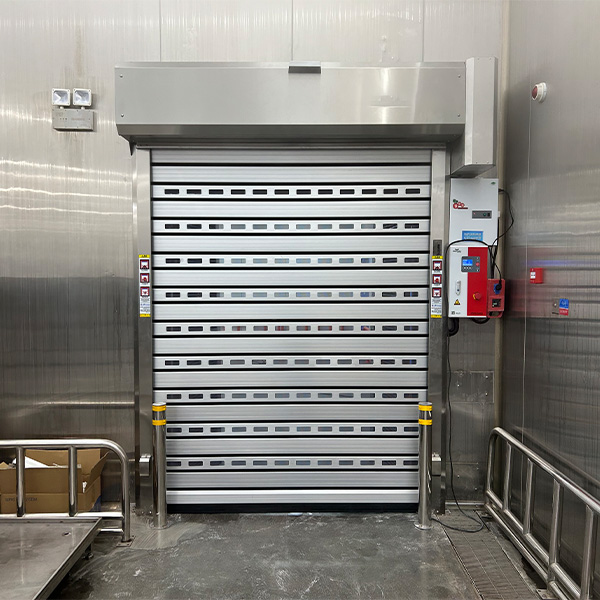
Understanding the Link Between Door Operation and Facility Energy Loss
Industrial facilities lose up to 25% of HVAC energy through inefficient door systems, according to Natural Resources Canada data cited in the 2025 Guide to Energy-Efficient Doors. This energy drain occurs when traditional doors remain open too long during operations, allowing uncontrolled air exchange between temperature-controlled zones and exterior environments.
How Uncontrolled Door Openings Lead to Air Exchange and Energy Waste
Every minute a door stays open in a refrigerated warehouse or manufacturing plant, 150—300 cubic feet of conditioned air escapes (ASHRAE 2024). In high-traffic areas with 50+ daily door cycles, this creates a compounding energy penalty as HVAC systems overcompensate to maintain set temperatures.
The Role of Roll-Up Doors in Minimizing Thermal Transfer
Modern roll-up doors combat energy loss through three key mechanisms:
- Insulated cores with polyurethane foam (R-values up to 16.5)
- Automated closure systems triggering within 2—3 seconds
- Perimeter gaskets creating air-tight seals upon contact
Thermal Performance and Insulation Features of High-Speed Roll-Up Doors
Advanced models combine 20-gauge steel frames with dual-layer PVC curtains infused with aerogel particles, achieving U-factors as low as 0.12 BTU/(hr·ft²·°F). These materials work synergistically to block 94% of conductive heat flow while maintaining rapid operation speeds (2—3 ft/sec) required in distribution centers.
The Impact of Door Speed and Cycle Frequency on Energy Efficiency
Why Rapid Closure Reduces Heating and Cooling Load
Fast-acting roll-up doors minimize air exchange by closing in under 5 seconds, compared to 20—45 seconds for traditional models. This rapid operation reduces heating and cooling load by up to 38% in climate-controlled facilities (Department of Energy 2024), as less conditioned air escapes during frequent openings.
Analyzing Door Usage Patterns in High-Traffic Industrial Facilities
Facilities with over 50 daily door cycles experience 30% higher HVAC energy consumption when using slow-closing doors. High-speed models maintain consistent interior temperatures by limiting cumulative exposure to external air. For example, a food processing plant with 120 hourly forklift passes reduced temperature fluctuations by 62% after upgrading to high-speed roll-up doors.
Case Study: Energy Savings in a Distribution Center After Installing Fast-Acting Roll-Up Doors
A Midwest refrigerated warehouse cut annual energy costs by $56,000 (18% reduction) following installation of insulated high-speed doors. The retrofit paid for itself in 2.3 years through reduced compressor runtime and lower peak demand charges, demonstrating the operational and financial benefits of optimized door systems.
Advanced Sealing Technology in Roll-Up Doors for Superior Air Containment
How Gasketing and Edge Seals Prevent Air Leakage
The latest generation of high performance roll up doors actually manages to contain air about 86 percent better than older versions thanks to their specially designed gasket systems. These doors feature triple layer PVC skirts along with stronger edge seals that press firmly against the frame when closed. What this creates is basically a vapor tight seal which cuts down on air leakage by around 80% when compared with standard vinyl doors. The real value becomes apparent in cold storage facilities. Facility managers report saving roughly twelve thousand dollars each year on temperature control expenses for every door installed, especially important when trying to keep things consistently at 34 degrees Fahrenheit without letting warm air sneak in.
Comparative Analysis: Standard vs. High-Performance Roll-Up Doors in Air Exchange Control
Independent testing reveals stark differences in air containment capabilities:
| Feature | Standard Doors | High-Performance Doors |
|---|---|---|
| Average Air Leakage | 18 CFM per linear foot | 3 CFM per linear foot |
| Insulation R-Value | R-4.2 | R-12.6 |
| Annual Energy Cost* | $4,300 | $1,200 |
*Data source: ASHRAE Door Performance Standards 2023
High-performance models with thermal breaks and magnetic edge seals demonstrate 37% less energy loss in freezer applications compared to standard curtain doors, with payback periods under 2 years in facilities exceeding 50 daily door cycles.
Optimizing Temperature-Controlled Environments with Fast-Acting Roll-Up Doors
Reducing Cold Storage Energy Drain Using High-Speed Roll-Up Doors
Roll up doors that act quickly help cut down on energy losses in cold storage areas because they only stay open for about 1 or 2 seconds instead of the usual time we see with older models. These fast doors stop warm air from mixing with the cold inside storage spaces. Refrigerated warehouses actually spend somewhere around 12 to maybe even 18 percent of their yearly electricity bills just keeping this air exchange at bay. Newer versions of these doors come with insulation panels that are roughly 40 percent thicker than before, plus special thermal breaks that stop frost from forming. And there are also these fancy brush seals now that keep everything sealed tight even after opening and closing tens of thousands of times over several years of operation.
Maintaining Consistent Temperatures in Refrigerated Warehouses
Key features enhance temperature stability in cold storage applications:
- Heated guides: Eliminate ice formation along door edges (-20°F to 50°F operating range)
- Triple-layer PVC curtains: Achieve R-14 insulation values to minimize thermal transfer
- Programmable dwell time: Automatically closes doors after preset intervals (3—30 seconds)
A 2024 Cold Chain Technology Report found facilities using these doors reduced HVAC runtime by 28% compared to traditional models.
Balancing Operational Demands with Energy Retention in Cold Storage
High-speed roll-up doors support 75—100+ hourly cycles without compromising thermal performance—critical for facilities handling 500+ pallets daily. Their rapid operation allows frequent access while maintaining <0.5°F temperature variance across zones. Anti-collision sensors and self-repair mechanisms ensure reliable operation in high-traffic areas, preventing costly downtime from door damage.
Measuring Real-World Energy Savings and ROI of Energy-Efficient Roll-Up Doors
Quantifying Energy Reduction Through Facility Retrofit Data
When companies swap out old fashioned doors for modern roll-up versions, they typically see real drops in their heating and cooling demands. Looking at 12 different factories last year showed something pretty impressive: those fast acting doors cut down on air escaping through doorways by around three quarters, which meant HVAC systems ran about 40% less time when temperatures were really hot or cold. For big warehouses and cold storage facilities, this adds up to anywhere between 18 cents and 32 cents saved every year on each square foot of space. That might not seem like much, but multiply it across thousands of square feet and the savings become significant. Thermal imaging checks also show that after installing these better doors, there's roughly 15 to 25% less heat loss from refrigerated areas. Better sealing means compressors don't have to kick in as often, which extends equipment life and reduces wear and tear.
Long-Term Cost Benefits and Return on Investment
Most businesses find that energy efficient roll up doors start paying for themselves somewhere between 18 to 30 months after installation, mainly because they cut down on both energy usage and repair expenses. According to research published by the Institute of Sustainability Studies in 2024, many commercial buildings managed to get back around 63 percent of what they spent installing these doors just within two years thanks to lower electricity bills. The study also noted something interesting about automated high speed models compared to traditional manual ones - they needed about 40% fewer fixes over ten years. Smart access control systems make things even better when added to the mix. These systems help prevent accidental door openings in busy spots like loading docks where people come and go constantly. This cuts down on wasted energy by approximately half, which makes all the difference when trying to maintain good returns on investment during regular business operations.
Frequently Asked Questions
What percentage of HVAC energy is lost due to inefficient door systems?
Industrial facilities can lose up to 25% of HVAC energy through inefficient door systems.
How do high-speed roll-up doors minimize thermal transfer?
High-speed roll-up doors use insulated cores, automated closure systems, and perimeter gaskets to minimize thermal transfer.
What is the advantage of rapid door closures in climate-controlled facilities?
Rapid door closures reduce heating and cooling loads by up to 38% as they minimize air exchange compared to slow-closing doors.
How do high-performance roll-up doors prevent air leakage?
High-performance roll-up doors use specially designed gasket systems and edge seals to create airtight seals that cut down on air leakage by around 80% compared to standard doors.
What are the long-term cost benefits of installing energy-efficient roll-up doors?
Energy-efficient roll-up doors typically start paying for themselves within 18 to 30 months due to reduced energy usage and repair expenses, with many businesses seeing a return of around 63% of the initial investment just within two years.
Table of Contents
- Understanding the Link Between Door Operation and Facility Energy Loss
- The Impact of Door Speed and Cycle Frequency on Energy Efficiency
- Advanced Sealing Technology in Roll-Up Doors for Superior Air Containment
- Optimizing Temperature-Controlled Environments with Fast-Acting Roll-Up Doors
- Measuring Real-World Energy Savings and ROI of Energy-Efficient Roll-Up Doors
-
Frequently Asked Questions
- What percentage of HVAC energy is lost due to inefficient door systems?
- How do high-speed roll-up doors minimize thermal transfer?
- What is the advantage of rapid door closures in climate-controlled facilities?
- How do high-performance roll-up doors prevent air leakage?
- What are the long-term cost benefits of installing energy-efficient roll-up doors?