EN

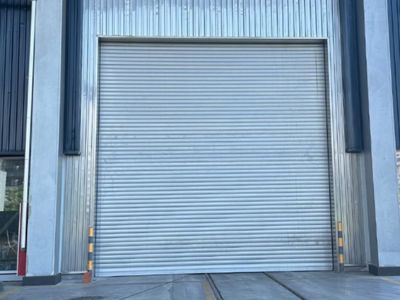
Vertical lift sectional doors are a specialized type of industrial door designed to maximize usable interior space in warehouses and loading areas. By opening vertically rather than swinging out, these doors help businesses optimize facility layouts and improve workflow efficiency. This article will delve into how vertical lift upward acting sectional doors create more usable interior space, addressing key buyer concerns such as specifications, purchasing guidelines, cost factors, and common issues. Understanding these elements can facilitate informed purchasing decisions for B2B buyers like purchasing managers and engineers.
Key Specifications to Consider for Vertical Lift Sectional Doors
When selecting vertical lift sectional doors, several key specifications should be evaluated to ensure they meet the needs of your facility:
Material: Door panel options include color-coated steel, aluminum alloy, and stainless steel. Color-coated steel provides strength and a protective finish, aluminum alloy offers low weight and corrosion resistance, and stainless steel suits applications where corrosion resistance and surface cleaning are important. Tracks are made from galvanized steel.
Dimensions: Accurate measurements are crucial. The height and width of the door must align with the opening, and the clearance space above the door should be sufficient to accommodate the lifting mechanism. Buyers should measure both the door frame and the surrounding environment to avoid compatibility issues.
Insulation Value (R-Value): This indicates the door's energy efficiency. Higher R-values mean better insulation, which is essential for temperature-controlled environments. Understanding your facility’s climate control needs will guide you in selecting doors with appropriate insulation.
Operating Mechanism: Electric operation provides convenient control of vertical lift sectional doors. In servo-equipped configurations, the motor and controller can provide controlled acceleration and deceleration for smooth starts and stops. Confirm the motor configuration and controls for the selected door size and weight.
Sealing and Weather Resistance: Look for features like rubber seals along the edges to prevent drafts and moisture intrusion. This is particularly important in external applications or areas exposed to harsh weather.
Each of these specifications plays a vital role in the performance and suitability of vertical lift sectional doors. Buyers should engage with suppliers to confirm that the selected features align with their operational requirements.
Comparing Vertical Lift Sectional Doors for Your Next Project
Choosing the right vertical lift sectional door involves comparing various models based on their specifications and application suitability. Consider the following factors when evaluating different products:
Load Capacity: Determine the weight of the door and the maximum load the supporting structure can handle. Heavier doors may require more robust support structures and different operating mechanisms. Ensure that the door system is suitable for the equipment or vehicles that will frequently pass through.
Track Layout and Clearance: Vertical lift tracks keep the opened door above the opening rather than extending horizontally into the building. Check the available height, side room, and fixing positions so that the door's travel remains clear of pipes, equipment, and other obstructions.
Customization Options: Many manufacturers offer customization services, allowing buyers to specify dimensions, colors, and additional features like windows or special locks. Custom doors can help integrate the product into existing structures seamlessly.
Safety Features: Review the pneumatic safety edge, cable-break protection, and spring-break safety devices provided for the door. Confirm that these devices suit the selected operating system and have their functions checked during installation and commissioning.
Warranty and Service Support: Investigate the manufacturer's warranty and support services. A robust warranty indicates confidence in the product's durability, while reliable service can minimize downtime.
By thoroughly comparing these aspects, B2B buyers can select vertical lift sectional doors that enhance operational efficiency and safety in their facilities.
Wholesale Purchasing Guidelines for Quality Sectional Doors
When purchasing vertical lift sectional doors in bulk, several guidelines can help ensure quality and satisfaction:
Request Detailed Quotations: Provide potential suppliers with comprehensive specifications, including dimensions, materials, and performance requirements. This will help them deliver accurate quotes and minimize misunderstandings.
Evaluate Supplier Credentials: Verify that the manufacturer adheres to industry standards and holds relevant certifications. Seppes Door Industry (Suzhou) Co., Ltd., for example, has numerous certifications and patents that demonstrate its commitment to quality.
Understand Minimum Order Quantities (MOQ): Understand the supplier's MOQ to plan your purchase accordingly. Some manufacturers may offer better pricing or terms for larger orders, while others may have stricter minimums.
Inspect Samples: Before finalizing an order, request samples to assess quality and compatibility with your operational needs. Evaluate the sample based on material, finish, and functionality to ensure it meets your expectations.
Negotiate Terms: Discuss payment terms, lead times, and delivery schedules upfront. Clear communication about expectations can prevent delays and ensure a smooth purchasing process.
Following these guidelines can help buyers secure high-quality vertical lift sectional doors that meet their operational needs and budget constraints.
Understanding Cost Factors for Vertical Lift Sectional Doors
The cost of vertical lift sectional doors can vary significantly based on several factors:
Material Choice: Panel material, material grade, thickness, and surface finish all affect cost. Compare color-coated steel, aluminum alloy, and stainless steel quotations for the same door size, insulation, and hardware configuration. Confirm the price of each proposed specification rather than ranking costs by material name alone.
Custom Features: Insulation, windows, and motor control configurations can affect the overall cost. Buyers should compare the functions included in each quotation and select those that meet the facility's needs and budget.
Size and Specifications: Larger doors with more complex mechanisms will typically incur higher costs. Custom sizing beyond standard dimensions can also lead to increased pricing.
Supplier Reputation: Established suppliers like Seppes Door Industry (Suzhou) Co., Ltd., which supplies to Fortune 500 companies, may command higher prices due to their proven track record and quality assurance practices.
Shipping and Installation: Consider the costs associated with shipping and installation when budgeting. These can vary based on the supplier's location and the complexity of the installation process.
Understanding these cost factors can help buyers make informed decisions that align with their financial constraints while securing the right products for their needs.
Common Problems with Vertical Lift Sectional Doors and Effective Solutions
Despite their benefits, vertical lift sectional doors can encounter issues that may disrupt operations. Here are some common problems and practical solutions:
Misalignment: Doors may become misaligned over time, causing operational difficulties. Regular maintenance and adjustments can help ensure proper alignment. Buyers should schedule periodic inspections to catch issues early.
Mechanical Failures: Components such as springs, cables, and motors can wear out and fail. Implementing a routine maintenance schedule can help identify worn parts before they fail, reducing downtime.
Weather Sealing Failures: Over time, seals can degrade, leading to drafts and moisture intrusion. Regularly inspect seals and replace them when necessary to maintain energy efficiency.
Control System Malfunctions: Automated doors may experience control system failures, leading to operational disruptions. Ensuring that the control systems are compatible with the door and regularly serviced can mitigate these issues.
Safety Concerns: If safety sensors malfunction, it can pose a risk to personnel. Regular safety checks should be part of the maintenance routine to ensure all mechanisms are functioning correctly.
By understanding these potential issues and implementing effective maintenance strategies, buyers can extend service life and improve the performance of their industrial vertical lift sectional doors, ensuring a safer and more efficient operational environment.
Table of Contents
- Key Specifications to Consider for Vertical Lift Sectional Doors
- Comparing Vertical Lift Sectional Doors for Your Next Project
- Wholesale Purchasing Guidelines for Quality Sectional Doors
- Understanding Cost Factors for Vertical Lift Sectional Doors
- Common Problems with Vertical Lift Sectional Doors and Effective Solutions