EN

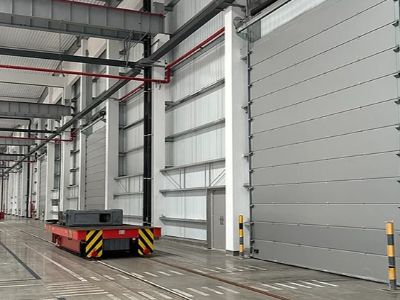
Insulated sectional overhead doors are designed to provide robust thermal insulation, crucial for maintaining stable indoor conditions in various industrial, commercial, and logistics applications. These doors are particularly beneficial for facilities that require temperature control, such as warehouses, cold storage, and manufacturing plants. In this article, we will explore how insulated sectional doors contribute to energy efficiency, reduce heating and cooling costs, and enhance the overall operational efficiency of a facility. We will also address key concerns for B2B buyers, including sourcing, quality control, temperature solutions, cost factors, and industry applications.
Where to Source Reliable Wholesale Insulated Sectional Overhead Doors
When sourcing insulated sectional overhead doors, reliability and quality are paramount. Buyers should consider manufacturers with a proven track record in the industry, such as Seppes Door Industry (Suzhou) Co., Ltd., which adheres to European standards and has extensive experience supplying to Fortune 500 companies.
Buyers should evaluate potential suppliers based on their certifications, such as ISO and CE, which indicate compliance with quality and safety standards. Additionally, it’s essential to assess a manufacturer’s production capabilities, including the technology used in their automated lines and their ability to handle custom orders. Requesting samples and reviewing previous projects can also provide insights into the reliability of the manufacturer.
Lastly, ensure the supplier offers adequate support throughout the purchasing process, including detailed product specifications and post-sale service, which can be crucial for long-term operational success.
Quality Control Measures in Insulated Sectional Overhead Door Manufacturing
Quality control is critical in the manufacturing of insulated sectional overhead doors. Effective measures should include rigorous testing and inspection at various production stages. For instance, before mass production, it is advisable for buyers to approve a finished sample to confirm that dimensions, fit, and surface appearance meet specifications.
Manufacturers should implement processes to monitor material integrity, such as conducting tests for thermal performance and durability. Regular audits of production equipment and practices also ensure compliance with established standards.
At Seppes, quality control extends to its automated production lines, which help minimize human error and enhance consistency in product output. Additionally, maintaining a comprehensive quality management system that tracks defects and customer feedback can help manufacturers continuously improve their products and processes.
How Insulated Sectional Doors Solve Common Temperature Issues
Insulated sectional overhead doors are specifically engineered to address temperature fluctuations that can adversely affect operations. These doors are constructed with multiple layers of insulation material, which significantly reduces thermal transfer. This is particularly beneficial in environments where temperature stability is crucial, such as food processing or pharmaceuticals.
The insulation properties help maintain consistent indoor temperatures, which not only enhances employee comfort but also protects sensitive products from spoilage or damage. By minimizing heat loss in winter and heat gain in summer, insulated sectional overhead doors reduce the need for excessive heating or cooling, leading to lower energy costs.
Furthermore, these doors can be equipped with advanced sealing systems that prevent air leaks, further improving their thermal efficiency. Buyers should consider the R-value (thermal resistance) of the door, as a higher R-value indicates better insulation performance.
Cost Factors for Purchasing Insulated Sectional Overhead Doors
Several factors influence the overall cost of insulated sectional overhead doors, making it essential for buyers to understand these elements during the purchasing process. Key cost factors include the size and design of the door, the type of insulation material used, motor configuration, and specialized hardware.
Customization options can also impact costs. Custom dimensions or unique design specifications may require additional engineering and manufacturing resources, leading to higher prices. Additionally, the quantity ordered can affect pricing; bulk orders often come with discounts, so it's wise to consider long-term needs when placing orders.
Buyers should also factor in installation costs, which can vary based on the complexity of the installation and the local labor market. It is advisable to obtain detailed quotations from suppliers that outline all potential costs, including shipping and handling fees, to ensure a comprehensive understanding of the total expenditure.
Applications of Insulated Sectional Overhead Doors in Various Industries
Insulated sectional overhead doors find applications in a wide range of industries due to their versatility and performance. In the logistics sector, they are commonly used in distribution centers and warehouses where maintaining temperature-controlled environments is essential for inventory management and product integrity.
In the food and beverage industry, these doors help prevent temperature fluctuations in storage areas, ensuring compliance with health regulations and preserving product quality. Pharmaceutical companies also benefit from insulated doors, as they protect sensitive materials from environmental conditions that could affect their efficacy.
Manufacturing facilities utilize insulated sectional doors to improve energy efficiency and minimize operational costs. By reducing the need for heating and cooling, these doors contribute to a more sustainable operational model.
Ultimately, the choice of insulated sectional overhead doors should be guided by specific industry requirements and operational needs, emphasizing the importance of understanding application suitability when making purchasing decisions.
By leveraging the information provided, potential buyers can confidently evaluate their options and choose insulated sectional overhead doors that best meet their operational needs while ensuring a stable indoor environment.
Table of Contents
- Where to Source Reliable Wholesale Insulated Sectional Overhead Doors
- Quality Control Measures in Insulated Sectional Overhead Door Manufacturing
- How Insulated Sectional Doors Solve Common Temperature Issues
- Cost Factors for Purchasing Insulated Sectional Overhead Doors
- Applications of Insulated Sectional Overhead Doors in Various Industries