EN
EN

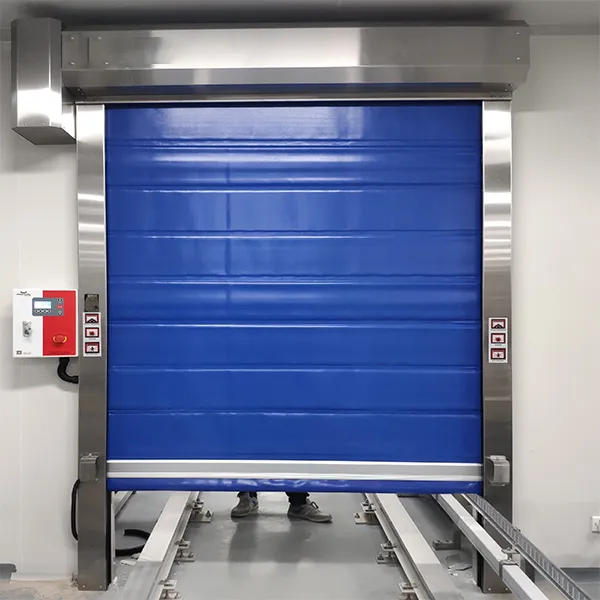
Průmyslové budovy jsou extrémně hlučnými prostředími. Zvuky zařízení, vozíků s vysokým zdvihem, nakládacího vybavení, nákladních automobilů a neustálý hluk provozovaných strojů mohou překročit bezpečné hladiny hlasitosti a přispívat k únavě zaměstnanců, stresu a snížení produktivity. Ačkoli se v zařízení dělá mnoho pro omezení hluku, obvodový plášť budovy pomáhá ovládat akustické jevy uvnitř i vně budovy. Možná zřídka uvažovanou příčinou nežádoucího hluku je dveře nakládací rampy – ty často mají špatné akustické vlastnosti jako uzavřený prostor. Právě zde nabízejí velké výhody tepelně izolované rolovací sekční dveře. Tento typ dveří je mimořádně hmotný, vybaven dokonale navrženými těsnicími systémy a má materiálové vlastnosti, které přispívají ke vytvoření tiššího a pohodlnějšího pracovního prostředí. Produkty Seppes Door s tepelnou izolací byly vyvinuty tak, aby poskytovaly vynikající akustický výkon spolu se všemi výhodami tepelné izolace a odolnosti, které lze dosáhnout během provozu dveří.
Hustá konstrukce panelů jako zvuková bariéra
Základním předpokladem potlačení hluku je, že hmotnost je nejúčinnějším prostředkem ke snížení vibrací šířících se materiály. Izolovaná nadstropní sekční vrata jsou tvořena silnými ocelovými plechy a hustým jádrem z polyuretanové pěny, které účinně potlačují hluk vyvolaný samotnými vraty. Reflexní ocelová vrstva pro akustickou izolaci odrazí významnou část akustické energie, zatímco absorbující a disipativní vrstva absorbuje a rozptýlí zbytek energie, takže žádný zvuk nemůže projít ocelovými panely. To je mnohem lepší než jednoduché panely nebo rolovací vrata, která jsou tenká a mají pouze malou hmotnost, a proto jen velmi málo brání průniku zvuku. Hustá pěnová jádra používaná firmou Seppes Door poskytují nejen vynikající tepelnou izolaci, ale také podporují tlumení hluku, čímž se vrata stávají účinnou akustickou bariérou. Výsledkem je výrazné snížení průniku hluku zvenčí dovnitř prostor i zevnitř k sousedům, což chrání zaměstnance před hlukem dopravy venku a zároveň zabrání tomu, aby hluk zařízení uvnitř obtěžoval obyvatele venku.
Těsnicí systémy, které zabrání úniku zvuku
Kvalitní dveřní panel nestačí, pokud nemá kvalitní těsnění. Přenos zvuku může probíhat i velmi úzkými štěrminami a únik vzduchu může být cestou pro akustický únik. Izolované nadstropní sekční dveře to řeší rozsáhlými systémy těsnění po celém obvodu, které utěsňují jak vzduch, tak zvuk. Zámkové spoje panelů vytvářejí nepřerušené bariérové stěny, které brání přenosu zvuku mezi jednotlivými panely, a kompletní obvodové počasí těsnění vyplňují mezery po okraji dveří, čímž uzavírají průsvitný prostor. Tyto prvky jsou vyrobeny z těžkého elastomerního materiálu a při dotyku s dveřními panely a rámem budovy vytvářejí vzduchotěsné uzavření, které zároveň brání přenosu zvuku. Seppes Door používá odolné těsnění, které poskytuje optimální funkci po mnoho let od instalace, aniž by se zhoršila akustická výkonnost dveří. Taková integrita těsnění je zvláště důležitá ve zařízeních s pouze bytovými jednotkami, která jsou umístěna v blízkosti silnic s intenzivním provozem, železnic nebo rezidenčních čtvrtí, kde mohou být otázky regulace hluku součástí předpisů nebo komunitních vztahů.
Potlačení vibrací pomocí izolačních jádrových materiálů
Hluk vyvolaný průmyslovými budovami se může projevovat nejen jako vzduchem šířený zvuk, ale také jako vibrace přenášené konstrukcí – významná složka jejich akustického profilu. Vibrace způsobené provozem strojního zařízení, pohybem nákladních vozidel a techniky či nárazy způsobují přenos vibrací prostřednictvím nosné konstrukce budovy, čímž vzniká hluk. Izolovaná nadstropní sekční vrata jsou navržena tak, aby tento efekt snížily díky izolačnímu jádru, které tlumí vibrace. Jádro z polyuretanové pěny dokáže pohltit vibrační energii, která se tak nepřenáší přes křídla vrat a nedostává se do nosné konstrukce budovy. Uklidňující tlumení vibrací a rezonance naší konstrukce vytváří mnohem méně ozvěněný prostředí než konstrukce plné a eliminuje riziko rezonance vrat. Přesné výrobní provedení panelů a příslušenství zajišťuje, že vrata Seppes fungují bez vibrací a tlumí vibrace i v náročných prostředích. Snížením vibrací se minimalizuje hluk uvnitř výrobních prostor i mezi nimi.
Provozní tichost díky hladkému mechanickému chodu
Kromě izolačního vzhledu tato sekční vrata skutečně poskytují tichou tepelnou izolaci! Hladký mechanický chod ve spojení s utěsněnými, přesnými ložiskovými dráhami s nízkým třením a valivým pohybem zajišťuje minimální mechanický hluk při pohybu panelů. Na rozdíl od jiných mechanismů vrat nevyvolávají systémy torzních pružin kovové šelestění ani rány. Hluk z motoru je od budovní konstrukce izolován díky montáži tlumičů vibrací na elektricky poháněný pohon. Použití měkkých gumových válečků, tichého soft-start/soft-stop řízení motoru a tlumičů hluku na dráhách zajišťuje tišší provoz u sekčních vrat Seppes Door. Tento tichý režim je velmi vítán, pokud se vrata v budovách otevírají a zavírají často, neboť hluk vznikající při několika cyklech otevírání a zavírání významně ovlivňuje celkovou akustickou atmosféru vnitřního prostředí budovy. Sekční vrata s tepelnou izolací tedy nejen pasivně eliminují zvuk, ale také aktivně snižují akustický hluk vznikající přímo při samotné činnosti vrat, čímž výrazně zlepšují akustickou atmosféru uvnitř továrny.