EN
EN

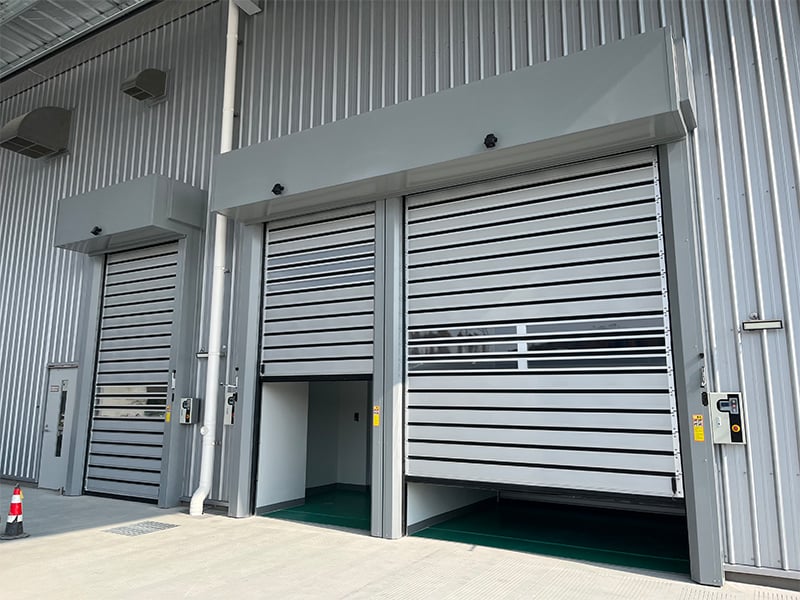
Enhanced Workflow Efficiency with High-Speed PVC Roll-Up Doors
Fast Opening and Closing Speeds for Productivity in Vehicle Bays
In today's busy auto repair shops, having quick access points is essential for keeping things moving smoothly. The new high speed PVC roll up doors can go up to around 2 meters per second, which makes them roughly ten times quicker than old fashioned rolling doors according to recent industry reports from 2024. With these faster doors, mechanics spend less time waiting for cars to come in and out of the bay. Shops report that technicians actually manage to get through about 12 to 15 extra service jobs each day when they switch from those bulky swing out doors. Makes sense really, since every minute saved adds up over the course of a long workday.
Supporting Efficiency in High-Traffic Areas with Minimal Cycle Time
For shops dealing with over fifty cars each day, PVC roll up doors cut down on cycle time dramatically, getting operations done in about one to two seconds according to some industry reports. These doors retract straight up instead of swinging out like regular garage doors do, which makes all the difference when space is tight in city garages. The lack of swing radius means mechanics can work on multiple vehicles at once without everyone bumping into each other. Traditional sectional doors need around six to eight feet of extra room just to open properly, something most urban repair shops simply don't have available.
Data-Driven Results: 60% Faster Turnaround Using High-Speed Roll-Up Doors
According to Ponemon's research from last year, companies that switch to those fast moving PVC roll up doors see about sixty percent less time spent on vehicle processing. The doors kick into action the moment something approaches thanks to motion detectors, plus they create really good seals against outside elements so temperatures stay stable inside facilities. What does this mean practically? Well, workflow bottlenecks drop by roughly forty one percent, bays get used almost twenty percent more efficiently, and everything runs smoothly even when multiple services are happening at once. All these factors together translate into actual boosts in productivity across the board for most businesses making the upgrade.
Space-Saving Design and Operational Advantages in Tight Layouts
Vertical Roll-Up Mechanism vs. Swing-Out Doors: Maximizing Floor Space
PVC roll up doors go straight up into those small overhead boxes, so they don't take up any floor room like regular doors that swing out or slide across. Normal swing out doors need about 6 to 10 feet around them for people to open them properly. With these vertical doors, all that extra space stays free for things like tool carts, maintenance equipment, and technicians walking around their work area without bumping into doorways. Most installations end up getting back between 18 and 24 square feet of usable floor space that was wasted before on door arcs and those safety buffer zones everyone has to leave.
Compartment Access and Space Efficiency in Urban Automotive Workshops
Urban automotive facilities often operate in narrow or repurposed buildings where spatial efficiency is paramount. The vertical lift of PVC roll-up doors allows unobstructed access between adjacent compartments without compromising aisle width. This supports modern compact layout strategies, enhancing workflow efficiency in constrained environments.
Overhead Operation Ideal for Compact or Multi-Bay Garage Setups
In multi-bay garages or shared repair centers, overhead deployment prevents interference with lifts, parked vehicles, and cross-traffic—common issues with horizontal sliding systems. Mechanics report 30% faster bay turnover in retrofitted facilities due to reduced spatial conflicts during concurrent repairs, improving overall throughput.
Durability, Safety, and Low Maintenance for Demanding Workshop Environments
Impact Resistance and Self-Repairing Features of Vinyl/PVC Roll-Up Doors
PVC roll up doors are built tough enough to handle rough environments. Their flexible vinyl construction can take hits from tools or even vehicle accidents without getting permanently damaged. The advanced UV stabilized material won't crack even when temperatures swing from as low as -40 degrees Fahrenheit all the way up to 160 degrees. And here's something interesting – at a molecular level, these doors actually have self repair properties that help small scratches disappear over time. According to research published by the Industrial Door Council last year, facilities that install these doors typically see them last anywhere between 8 and 12 years in heavy use situations. That means businesses save around 60 percent on replacement costs compared to traditional metal door options, which makes a real difference in maintenance budgets over time.
Operator and Vehicle Safety: Sensors, Reversing Mechanisms, and Soft Bottom Edges
Safety features built into these systems include things like photoelectric sensors, automatic reverse mechanisms, and those soft bottom edges we all appreciate. The infrared technology can spot objects as tiny as two inches across, which means the door will stop and reverse direction right away if anything gets in its path. We've also got recessed track systems that sit flush with the floor, plus overall smoother movement that really cuts down on trip hazards and collisions. According to data from the National Institute for Occupational Safety back in 2022, workplaces saw around 45 percent fewer accidents after installing these kinds of safety upgrades.
Real-World Reduction in Accidents and Damage Post-Installation
Field data confirms safety improvements after retrofitting. A Phoenix fleet garage reduced door-related incidents from 14 to 3 annually, while a Chicago collision center saw a 72% decline in vehicle scraping thanks to soft-edge technology. Eliminating protruding handles and minimizing lateral movement enhances safety in tight bays.
Long-Term Cost Savings from Reduced Downtime and Maintenance Needs
PVC roll up doors cut down on maintenance work because there are no hinges needing oiling, panels requiring repainting, or tracks that need constant adjustment. The material itself resists corrosion which means facilities don't spend those frustrating 40 hours each year fixing steel doors exposed to moisture or chemicals in places like warehouses near coastlines or chemical processing plants. Looking at long term savings makes sense too. Facility managers report saving roughly twelve grand per door over ten years when considering both regular maintenance expenses and lost productivity during repairs according to recent studies looking at industrial door performance across different industries last year.
Energy Efficiency and Environmental Separation Performance
Maintaining Climate Control Through Effective Environmental Separation
PVC roll-up doors form airtight seals that limit uncontrolled airflow between bays and external areas by up to 92%, outperforming traditional models. This superior environmental separation is essential for paint booths and temperature-sensitive operations, helping HVAC systems maintain setpoints efficiently and reducing conditioned air loss.
Energy Efficiency and Cost Savings in Temperature-Controlled Workshops
Businesses that install PVC roll up doors often report savings between 18 and 34 percent on their monthly energy costs because these doors put less stress on heating and cooling systems. The doors are built with multiple layers of vinyl plus brush seals around the edges that stop cold air from sneaking in or warm air escaping, which helps maintain stable temperatures inside without needing constant adjustments. Take for example a manufacturing plant down south that wanted to keep things comfortable at 68 degrees during those chilly winter months. After switching to these specialized doors, they found their heater wasn't running nearly as much anymore - about 27% less time actually. A recent study published last year looked into how effective different door types are for climate control, and this real world case fits right into what researchers have been finding.
Reduced HVAC Load Due to Improved Insulation and Sealing
PVC roll up doors cut down on heat loss through metal door frames by as much as 80 percent because they don't have those annoying thermal bridges that steal warmth right out of buildings. Better insulation means businesses can get away with smaller heating systems without sacrificing comfort levels, which actually saves money upfront when buying new equipment. The real difference shows up in places with harsh winters though. Take that auto repair place in Minnesota for instance they managed to knock almost two grand off their yearly heating bills just by switching doors, all while keeping their workshop at the right working temperature throughout winter months.
PVC vs. Steel and Aluminum: Why Vinyl Roll-Up Doors Outperform in Automotive Settings
Comparative Analysis: PVC Roll-Up Doors vs. Traditional Metal Alternatives
PVC roll-up doors offer compelling advantages over steel and aluminum in automotive applications. They match durability at a lower cost—steel doors carry an average 28% higher price tag (Workshop Door 2023)—while outperforming in key operational areas:
| Feature | PVC Roll-Up Doors | Steel/Aluminum Doors |
|---|---|---|
| Corrosion Resistance | Immune to rust/oxidation | Requires protective coatings |
| Weight | 45% lighter for easier automation | Heavy-duty mechanics needed |
| Noise Reduction | 60% quieter operation | Vibrations amplify noise |
Vinyl’s flexibility also prevents denting from minor impacts, a frequent issue with rigid metal doors in collision repair zones.
Performance in Harsh Conditions: Flexibility, Corrosion Resistance, and Noise Reduction
In automotive repair shops, doors are constantly exposed to harsh chemicals, extreme temperature changes from freezing cold mornings to hot summer days, plus regular wear and tear from daily operations. That's where PVC really shines compared to other materials. It stands up well against brake fluids, engine oils, and various solvents commonly found in workshops. The material remains stable even when temperatures drop below zero or climb above 170 degrees Fahrenheit. Plus, it keeps its sealing properties intact for over 200 thousand door cycles without failing. According to research published by the Workshop Door Authority last year, shops that switched to PVC doors reported saving around seven hundred forty thousand dollars each year on fixing corrosion damage that typically affects steel doors instead.
Case Study: Retrofitting Swing-Out Doors with Modern PVC Roll-Up Systems
A Midwest automotive chain replaced 78 swing-out aluminum doors with PVC roll-up systems across 12 locations. After 18 months, results included:
- Space Savings: 28% more usable floor space in compact bays
- Maintenance Costs: Reduced by 67% ($4,200 per door annually)
- Accident Rate: Dropped 91% due to motion sensors and soft-edge technology
The upgrade paid for itself within 14 months through improved workflow efficiency and eliminated weatherstripping replacements previously needed with metal doors.
FAQ Section
What are PVC roll-up doors?
PVC roll-up doors are advanced doors designed for high-speed operation, used primarily in automotive workshops for efficient traffic flow and energy savings.
How do PVC roll-up doors improve workflow efficiency?
They open and close rapidly, reducing wait times for mechanics and facilitating faster processing of vehicles, ultimately leading to higher productivity.
What are the advantages of PVC roll-up doors in tight spaces?
They open vertically, saving floor space and allowing unobstructed movement in confined areas, which enhances operational efficiency in urban workshops.
Are PVC roll-up doors durable in challenging environments?
Yes, their vinyl construction is impact-resistant, self-repairing, and withstands extreme temperatures, providing long-lasting use even in demanding conditions.
How do PVC roll-up doors contribute to energy efficiency?
By forming airtight seals, they limit unwanted airflow, reduce HVAC system load, and lower energy costs significantly compared to traditional doors.
Table of Contents
- Enhanced Workflow Efficiency with High-Speed PVC Roll-Up Doors
- Space-Saving Design and Operational Advantages in Tight Layouts
- Durability, Safety, and Low Maintenance for Demanding Workshop Environments
- Energy Efficiency and Environmental Separation Performance
- PVC vs. Steel and Aluminum: Why Vinyl Roll-Up Doors Outperform in Automotive Settings
- FAQ Section