EN
EN

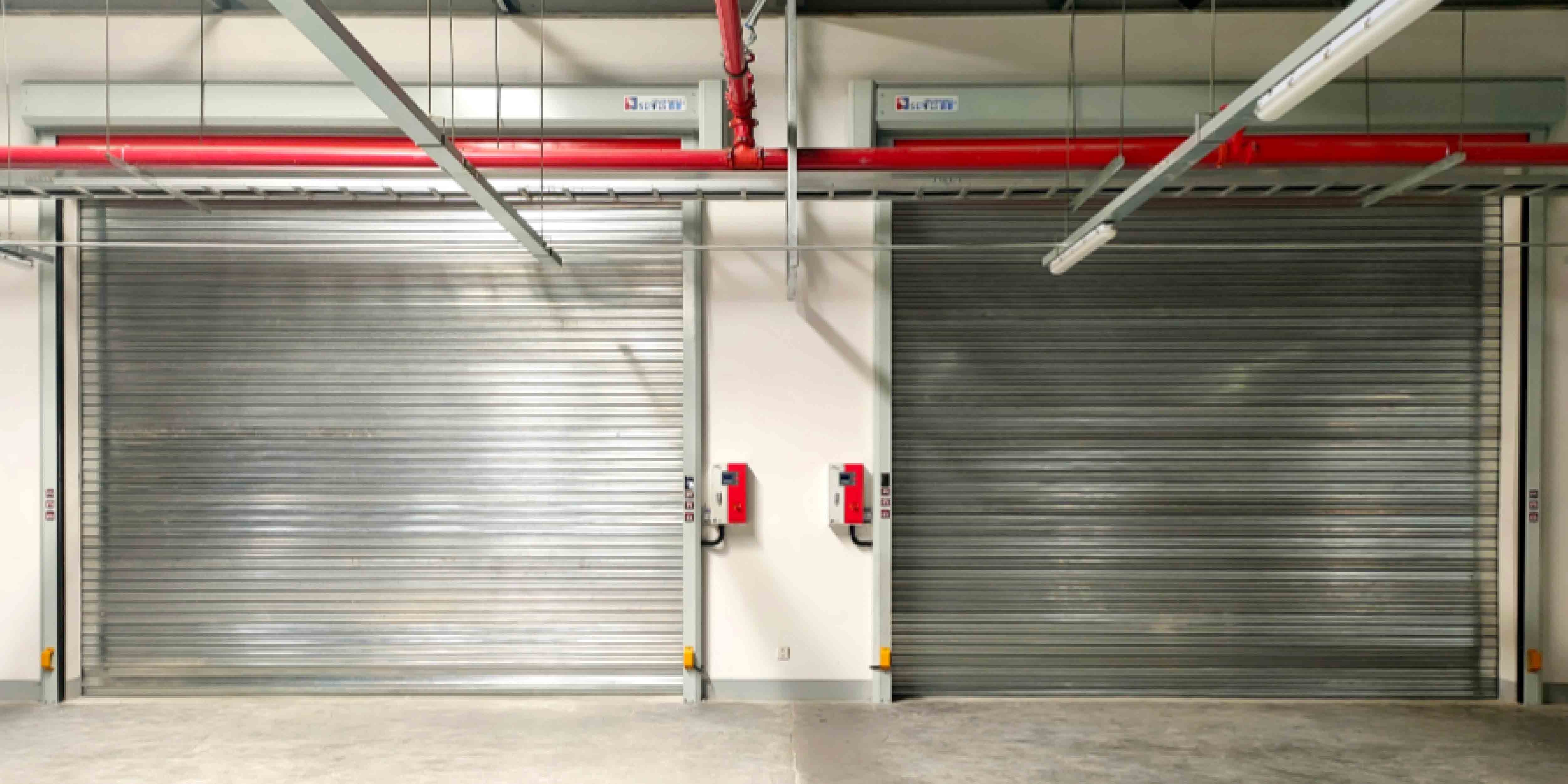
Enhancing Operational Efficiency with High-Speed Fabric Doors
How High-Speed Fabric Doors Improve Traffic Flow and Reduce Operational Delays
Fast fabric doors cut down on workflow problems because they open and close in just 1 to 2 seconds, which is around 8 times quicker compared to regular industrial doors. When these doors operate so quickly, forklift operators don't get stuck waiting anymore, and workers can move back and forth between different parts of the warehouse without hassle. Warehouse managers who track their door usage tell us that places with over 150 door openings each day see roughly 18 to 22 percent fewer holdups during busy periods. This makes a big difference at spots where traffic tends to build up, like near loading bays or when people need to access production lines.
Fast Opening and Closing Speeds for Seamless Movement in High-Traffic Areas
These doors move pretty fast vertically, going over 80 inches per second which means materials can get through almost instantly when timing matters. When doors stay open less time, they stop cold air from leaking into temperature controlled areas. And factories report getting around 50% more trucks moving through each hour compared to older models. For food processors especially, this speed makes all the difference. The USDA regulations demand clear boundaries between different production areas, so having quick door movement helps maintain those required separations without slowing down operations.
Reliability in Continuous Operations and Impact on Productivity
Industrial-grade high-speed doors maintain consistent performance through 1.5+ million annual cycles, with self-monitoring systems that reduce unplanned downtime by 64% compared to traditional models (2023 Logistics Automation Report). Their breakaway safety mechanisms automatically reset after impacts, ensuring uninterrupted workflows in 24/7 manufacturing environments where hourly production values exceed $5,000.
Durability and Long-Term Performance of High-Speed Fabric Doors
Robust Materials Like High-Performance Fabrics Withstand Repeated Use
The industrial grade fabrics found in today's high speed fabric doors actually last way longer than regular PVC stuff, showing about 89% less wear after going through 200 thousand opening and closing cycles according to Material Science Institute research from last year. What makes these materials so good is their ability to stay pliable even when temps drop down to minus 40 degrees Fahrenheit or climb all the way up to 160 degrees. They also stand up pretty well against those accidental forklift collisions that tend to rip apart cheaper materials. Most top manufacturers know this, which is why they weave fiberglass strands right into the door curtains and apply special UV stable coatings. This helps keep the fabric from getting brittle whether it's sitting in a cold storage freezer or exposed to direct sunlight at loading docks all day long.
Breakaway Mechanisms Enable Self-Repairing Operation
When impacted, advanced breakaway systems separate door components within 0.3 seconds while keeping the track intact—a feature that reduces collision repair costs by 74% compared to rigid doors (Industrial Safety Journal 2023). Magnetic re-engagement systems automatically reset doors without manual intervention, restoring operations 83% faster than traditional bolt-and-bracket designs.
Maintenance Savings Over Millions of Cycles
Tested for over 1 million trouble-free cycles in accelerated lab environments, premium High-Speed Fabric Doors require only quarterly inspections for optimal performance. Facilities using these systems report:
- 92% fewer lubrication interventions vs. traditional rolling doors
- 68% lower annual maintenance costs (Logistics Efficiency Report 2023)
- 9.1-year average lifespan in food processing environments
This durability translates to 34% lower total cost of ownership over 10 years compared to fast-acting sectional doors.
Energy Efficiency and Climate Control Benefits
Reducing air exchange and maintaining stable temperatures in climate-controlled spaces
High speed fabric doors cut down on air leaks by around 80 to 90 percent when compared with regular doors, forming tight seals that keep sensitive temperature zones protected. The International Energy Agency reported back in 2023 that factories actually waste between 15 and 30 percent of their climate control energy because of bad door performance issues. What makes these special doors work so well? They manage less than two air changes per hour inside freezers, which is seven times better than standard swinging doors. How do they do this? Fast closing cycles taking just 1.5 seconds plus those double layer curtain systems make all the difference. Not only does this help maintain proper temperatures, but it also satisfies important regulations from both FDA and FSMA regarding safe storage conditions for foods and medicines alike.
Effective temperature and humidity separation between facility zones
According to a recent McKinsey report, facilities that install High Speed Fabric Doors between different production areas can cut their HVAC system runtime by around 22% each year simply by better controlling humidity levels. These doors feature special Rylon fabric cores along with magnetic edge seals that effectively establish separate climate zones within buildings. For instance, they stop moisture from spreading across bakery floors but also keep heat from moving between sections in metalworking shops. This kind of separation not only makes it easier for companies to meet the latest ASHRAE 90.1-2022 building efficiency requirements, but can actually save them approximately four dollars and twenty cents per square foot annually on dehumidification expenses alone.
Case Study: Energy savings in cold storage using High-Speed Fabric Doors
A Midwest cold storage operator reduced energy consumption by 34% after replacing aging vertical lifts with High-Speed Fabric Doors—saving $18,200 annually per doorway. The 2024 Cold Chain Logistics Report confirms similar installations achieve ROI in 14 months through:
| Metric | Improvement |
|---|---|
| Refrigeration runtime | – 29% |
| Defrost cycle frequency | – 41% |
| Annual door maintenance | – $2,800 |
The facility’s -20°F freezer zones now maintain ±1.5°F temperature stability, reducing product shrinkage by 8.7% annually.
Matching Door Specifications to Facility Usage Frequency
Aligning cycle rates and material durability with industrial or commercial traffic demands
High-speed fabric doors require precise specification matching to facility traffic patterns for optimal performance. Facilities with over 300 daily cycles (Material Handling Institute, 2023) should prioritize doors with Rylon®-grade fabric and reinforced frames, while low-traffic applications (under 50 cycles/day) can use standard polyester blends. Critical considerations include:
| Factor | High-Intensity (e.g., Automotive) | Moderate (e.g., Food Processing) |
|---|---|---|
| Cycle Rate Capacity | 750+ cycles/day | 200–400 cycles/day |
| Material Thickness | 1.2–1.6 mm PVC-coated fabric | 0.8–1.0 mm polyester |
| Motor Power | 480V three-phase | 120V/240V single-phase |
Selecting the right High-Speed Fabric Door based on application intensity
In places where we need to separate temperatures, like those cold storage areas operating at minus 20 degrees Fahrenheit, doors equipped with heated guide rails plus tight sealing can cut energy costs anywhere between 15 to 22 percent compared to older models. Looking at real world numbers, warehouses dealing with over forty forklift movements each hour see their operation slowdowns drop by around 34 percent when they install doors that open within 1.5 seconds or faster along with safety systems that let them break away if needed. Before making any purchase decisions though, check that the doors come with proper certifications matching either ISO or ANSI standards relevant to the specific industry requirements. These standards aren't just paperwork; they represent actual safety considerations based on years of testing and real world application.
Safety Compliance and Smart Technology Integration
Breakaway mechanisms and automatic re-engagement for worker protection
The High Speed Fabric Doors really boost worker safety thanks to their special breakaway design. These doors actually come apart when something hits them with just about 5 pounds of force, yet they still keep most of their structural strength intact. When there's an impact, the automatic system kicks back into action within around 90 seconds. That's roughly 58 percent quicker than what we see with older style resets, based on some recent industry safety reports from 2023. Putting all this together means plants that deal with more than 200 vehicles going through each day can cut down on lost time from accidents by almost a third. Makes sense why so many facilities are making the switch these days.
Meeting industrial safety standards and minimizing operational risks
Top manufacturers go beyond basic OSHA 1910.36 and ANSI MH10.2 standards by incorporating backup emergency stops and safety brakes that kick in automatically when needed. Companies that switch to these high speed door systems see around 72 percent fewer issues during their OSHA inspections than those still using older door technology. The latest models come equipped with smart control panels that can spot tiny misalignments down to about a fifth of an inch. These early warnings help catch problems before they become serious safety concerns, cutting maintenance risks by nearly nine out of ten cases according to field reports.
Trend: Advanced sensors and smart detection systems in modern High-Speed Fabric Doors
Today's advanced systems combine LiDAR scanners with thermal imaging tech to spot approaching objects from about 16 feet away, which is around 40% better than old school infrared systems. For industrial settings, IoT platforms let operators keep an eye on everything from door activity to energy consumption and collision incidents all in one place via dashboard views. When it comes to maintenance, smart algorithms track 14 different operational metrics and have been shown to cut down unexpected repair visits by nearly two thirds in facilities running nonstop operations. This means fewer disruptions and lower costs over time for plant managers dealing with constant production demands.
FAQ Section
How do high-speed fabric doors improve operational efficiency?
High-speed fabric doors enhance operational efficiency by opening and closing rapidly, reducing hold-ups in high-traffic areas such as loading bays and production lines, therefore improving traffic flow and cutting down operational delays.
What materials are used in high-speed fabric doors to ensure durability?
These doors use high-performance industrial-grade fabrics with incorporated fiberglass strands and UV stable coatings, making them robust against temperature fluctuations and accidental collisions, offering long-lasting durability.
How do high-speed fabric doors contribute to energy efficiency?
They minimize air leaks and maintain stable temperatures in climate-controlled spaces, reducing energy wastage by ensuring less than two air changes per hour, and effectively separating temperature and humidity across facility zones.
What safety features are integrated into modern high-speed fabric doors?
Modern high-speed fabric doors feature breakaway mechanisms that automatically reset after impacts, advanced sensors for obstacle detection, and compliance with industrial safety standards, ensuring worker safety and minimizing operational risks.
Table of Contents
- Enhancing Operational Efficiency with High-Speed Fabric Doors
- Durability and Long-Term Performance of High-Speed Fabric Doors
- Energy Efficiency and Climate Control Benefits
- Matching Door Specifications to Facility Usage Frequency
- Safety Compliance and Smart Technology Integration
- How do high-speed fabric doors improve operational efficiency?
- What materials are used in high-speed fabric doors to ensure durability?
- How do high-speed fabric doors contribute to energy efficiency?
- What safety features are integrated into modern high-speed fabric doors?