EN
EN

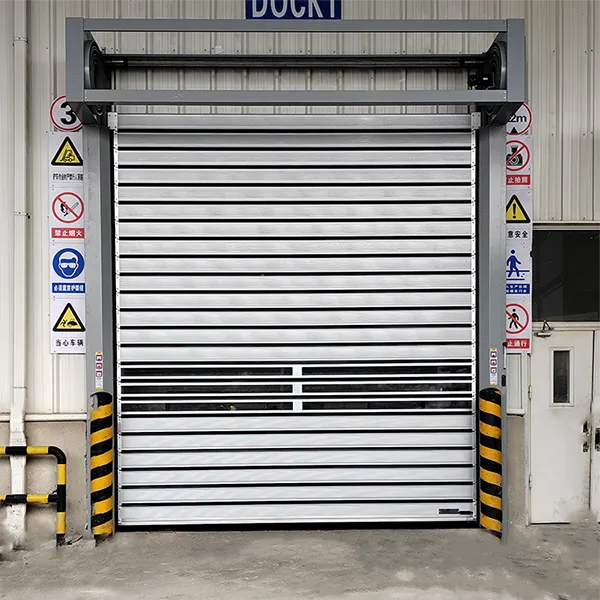
High Speed Door vs Traditional Industrial Door: Key Differences
In business facilities, the selection among excessive velocity doorways and traditional business doors directly affects workflow, energy charges, and lengthy-term upkeep. beneath, we spoil down the key variations between the 2, grounded in Seppes’product information and real-international software records.
velocity of Operation and Workflow efficiency
The most defining distinction lies in operational speed—and its ripple impact on workflow. Seppes’excessive pace doorways, such as the high speed Spiral Door and high speed Roll UP Door, are engineered for fast establishing and final, disposing of the bottlenecks common with conventional doorways. This“exceptional pace”ensures forklifts, employees, and logistics automobiles circulate among facility zones with out ready, without delay boosting productiveness. traditional commercial doors, through comparison, operate at agreat deal slower speed, causing frequent delays that disrupt tight manufacturing or shipping schedules. Seppes’high speed doors additionally aid seamless automation, integrating with facility manage systems to open/close in response to automobile or employees movement—a bonus conventional doors not often fit, especially in high-traffic settings like 3PL warehouses or production vegetation.
energy efficiency and Temperature manage
strength conservation is any other essential distinction, pushed by using design and insulation competencies. Seppes’Insulated high pace Door functions advanced insulation layers that limit warmness or bloodless loss, a key advantage for temperature-touchy centers. Their speedy operation further reduces the time doorways are open, cutting strength waste from HVAC structures—aligning with Seppes’ISO 14001 environmental certification. traditional commercial doors, but, lack specialized insulation and close slowly, main to good sized power leakage. for example, in a chilly chain facility, a conventional door left open even a few minutes longer can pressure refrigeration systems to paintings beyond regular time, increasing power payments. Seppes’high velocity doorways also excel in sealing performance: models like the high pace Zipper Door offer tight sealing to prevent air infiltration, a characteristic traditional doors can't in shape.
durability and renovation necessities
durability and renovation needs set high speed doorways apart in long-time period fee-effectiveness. Seppes’excessive speed doorways are built to withstand heavy use, with corrosion-resistant materials and compliance with ecu enterprise requirements. They undergo over 1 million operation checks, ensuring reliability in harsh commercial environments. The excessive velocity Zipper Door even consists of a self-repair characteristic to fix minor misalignments, reducing protection calls. traditional industrial doorways, by using evaluation, often use less durable components and lack self-repair capabilities, main to more frequent breakdowns. For centers, this indicates lower renovation charges and much less downtime: Seppes’records suggests its high pace doorways require 30% fewer repairs than conventional alternatives over a 5-yr length.
In conclusion, Seppes’excessive speed doors outperform traditional industrial doors in velocity, electricity efficiency, and durability—making them a wiser funding for modern-day centers. subsidized by way of worldwide certifications and global service help, they deliver tangible fee for groups aiming to optimize operations.